New clients! For a limited time, Get 13 Classes for $78 (only $6 per class)

General
Barre vs. Pilates: What’s the Difference?
October 8, 2025
Both Pilates and barre are growing in popularity because they offer a unique blend of exercises designed to build strength, improve flexibility, and promote overall health and well-being. While these two workouts produce similar results, they differ slightly in approach and benefits.
We’re breaking down the difference between barre and Pilates — and what you need to know to get the most out of your workout.
What is Pilates?
Pilates is a form of exercise and conditioning that was originally developed as a recovery method for dancers. Since then, it’s evolved to emphasize core strength, stability, and alignment, and it’s known for building a lean, toned physique — adding muscle without bulk.
Pilates supports longevity and has mental health benefits, as well. It has been shown to contribute to healthy aging, pain reduction and rehabilitation, and reduced feelings of depression and anxiety.
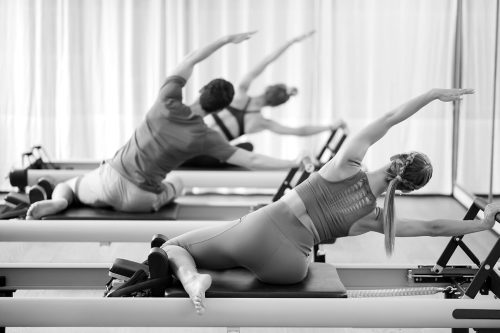
Group of people doing the mermaid pilates exercise or side stretch to tone the intercostal muscles viewed from the rear
What are barre workouts?
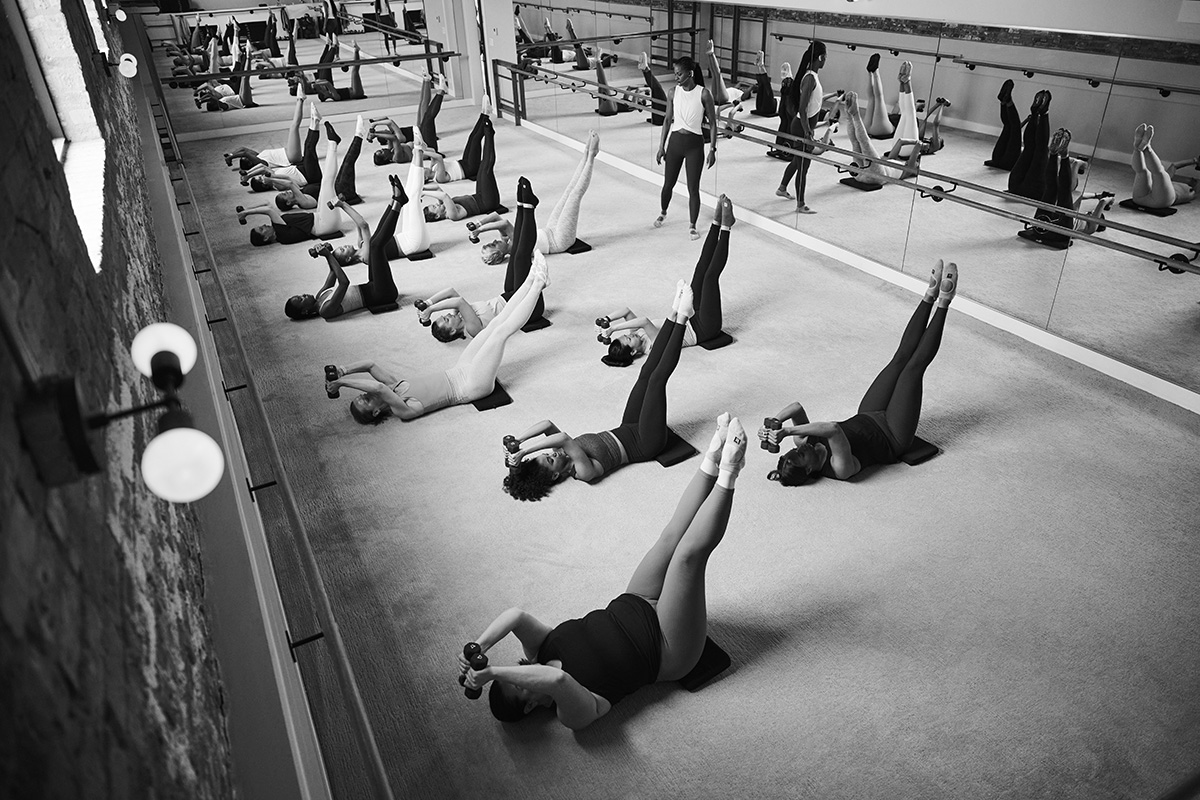
Barre takes all the benefits of Pilates and combines them with elements of yoga, strength training, cardio, and dance to create a high-intensity, low-impact workout that’s completely unique.
Barre workouts use precise, repetitive movements to isolate specific muscles, and The Bar Method’s interval training format targets multiple muscle groups at once, so they remain activated between reps. The result is unbeatable strength, toning, and sculpting. You’ll also notice improved cardiovascular endurance and overall health and fitness. The Bar Method does all of this with a special focus on alignment and form to ensure longevity and safety.
Barre studios offer a fun, high-energy environment that keeps you engaged — and our expert Bar Method instructors offer hands-on and verbal adjustments to maximize your results.
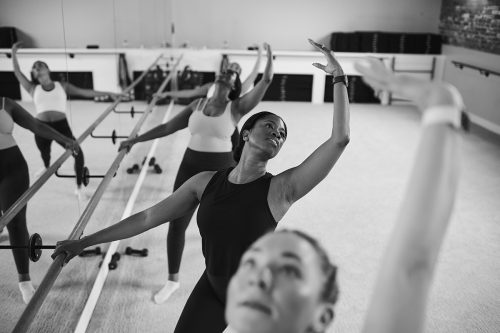
The difference between barre and Pilates
The benefits of barre vs. Pilates are fairly similar — so what’s the difference between these workout formats?
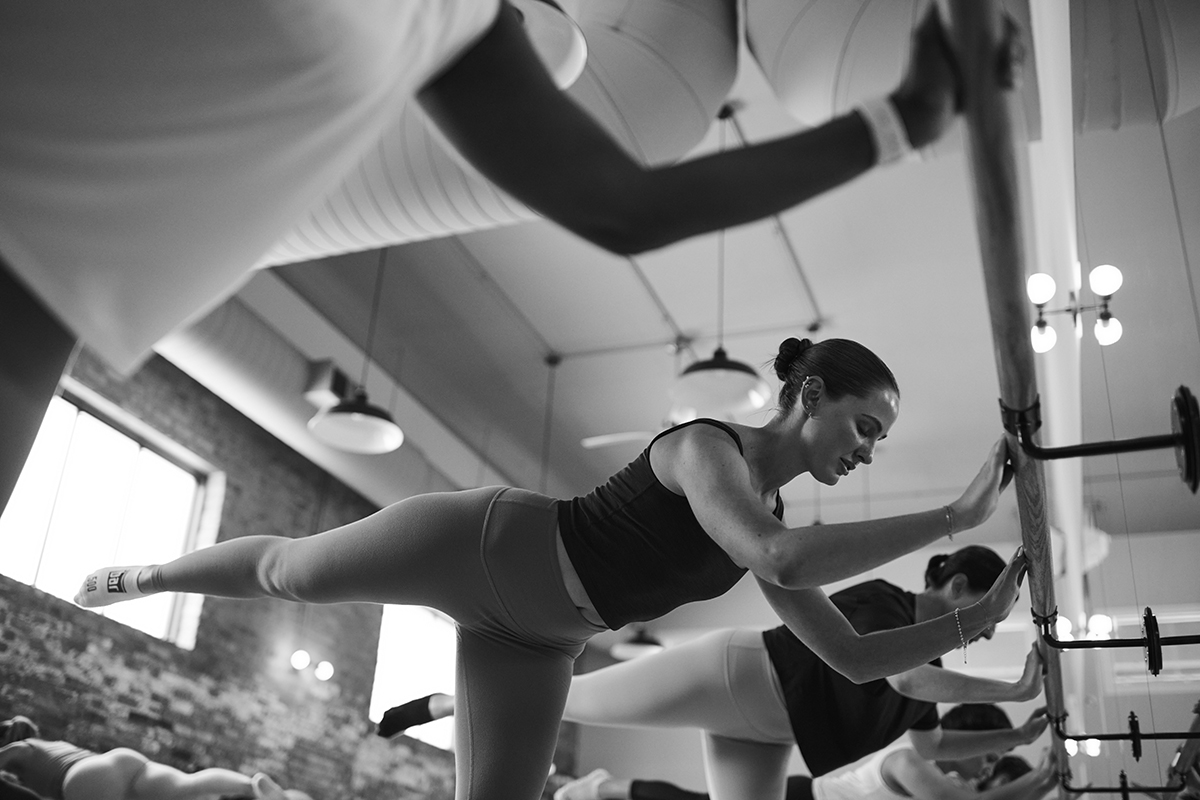
We’ll start with one obvious factor: the equipment. Pilates can be done on an exercise mat or sometimes on a reformer, which is a padded platform that slides up and down on runners. Barre workouts take place in an open studio and use a ballet barre for stability and support. Here are some of the other key differences between barre and Pilates.
Exercises and movement style
Pilates involves exercises that target large, specific muscle groups, emphasizing core stability, steady breathing, and controlled movements to enhance overall strength. Think: fluid, slow, and deliberate.
Barre focuses on high-repetition, low-impact movements and uses light weights, sliders, and exercise balls to tone and sculpt muscles through a combination of interval training, muscle isolation, and stretching. Think: small pulses and squeezes, isometric holds, and dance movements.
Class structure
Another difference between barre and Pilates: the class format and flow.
Our Bar Method classes follow a tried-and-true structure that keeps you working constantly, getting the most benefit from every movement — and every second in between. Upbeat music and a fast-paced structure keep you engaged, while elements of cardio and strength training increase your heart rate, endurance abilities, and overall fitness.
Our signature Bar Method workout starts with a light warm-up and stretching, then you’ll move into higher-intensity weight, thigh, and seat work at the barre. Next, an all-out capstone segment pushes you to the limit, then makes you go one step further to build mental and physical stamina. The cooldown is a series of stretches and breathing exercises to close out your barre practice mindfully.
Pilates classes include a mix of mat exercises and reformer movements to add variety to your workout. Just like a barre class, Pilates classes typically involve a short warm-up and cooldown at the beginning and end of each session.
Flexibility and stretching routine
Both barre and Pilates are known for strengthening, stretching, and lengthening muscles — and improving flexibility — through yoga-like exercises.
While barre often features dedicated stretching segments to achieve release, enhance flexibility, and prevent injury, Pilates integrates stretching elements throughout the workout.
Barre vs. Pilates for weight loss
When it comes to the benefits of barre vs. Pilates for weight loss, both workout formats can be an effective way to support your goals. What matters most is the format that you can stay consistent with.
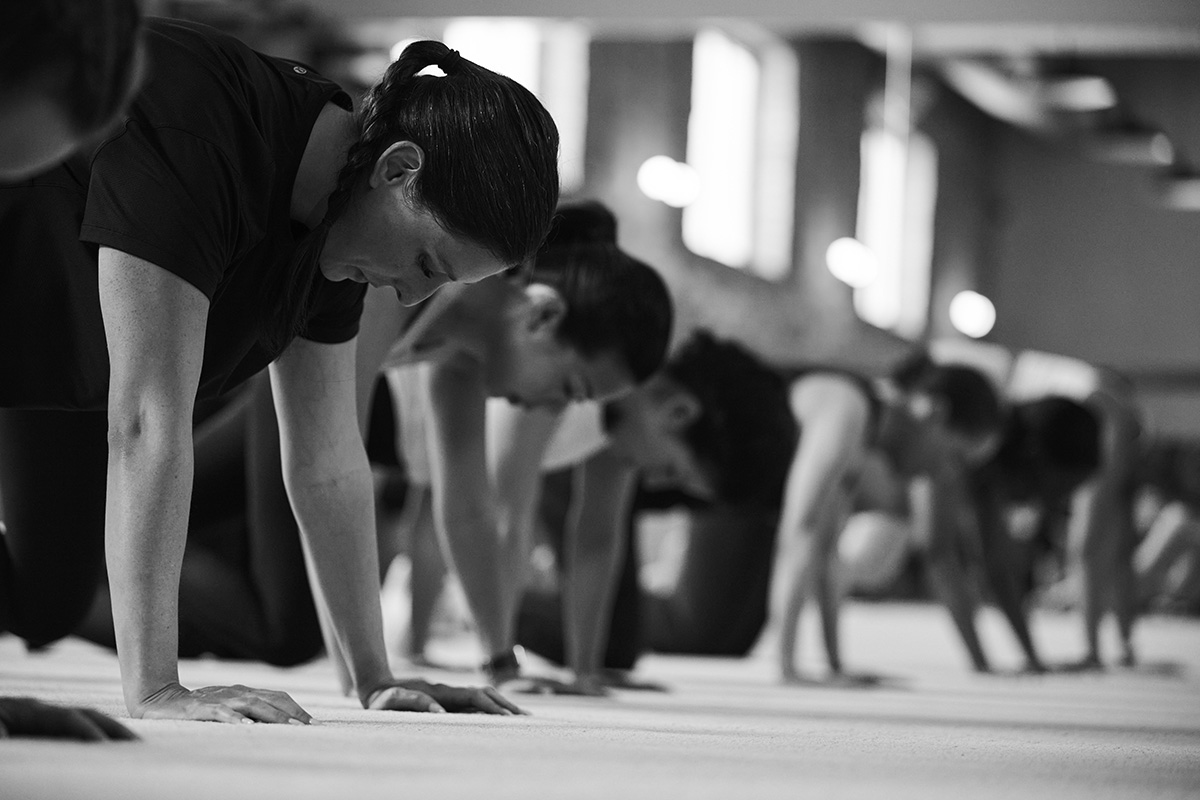
Barre workouts incorporate elements of cardiovascular training and aerobic activity into every class — look out for moves like knee repeaters, inchworm planks, active second position passe, and active fold-overs. (Or try a Bar Method Cardio class!)
In addition to cardio, strength training is a key component of any fitness routine, especially if weight loss is one of your goals. Strength training leads to increased muscle mass, which helps your body burn calories at a faster rate, even while resting. Barre uses light weights and high reps to build muscle mass and strength.
Similarly, Pilates has been shown to be an effective workout for weight loss, increasing your heart rate and building lean muscle over time.
Barre vs. Pilates for toning
Because barre and Pilates build muscle and burn calories — which lead to fat burn and weight loss — they’re also highly effective muscle-toning workouts.
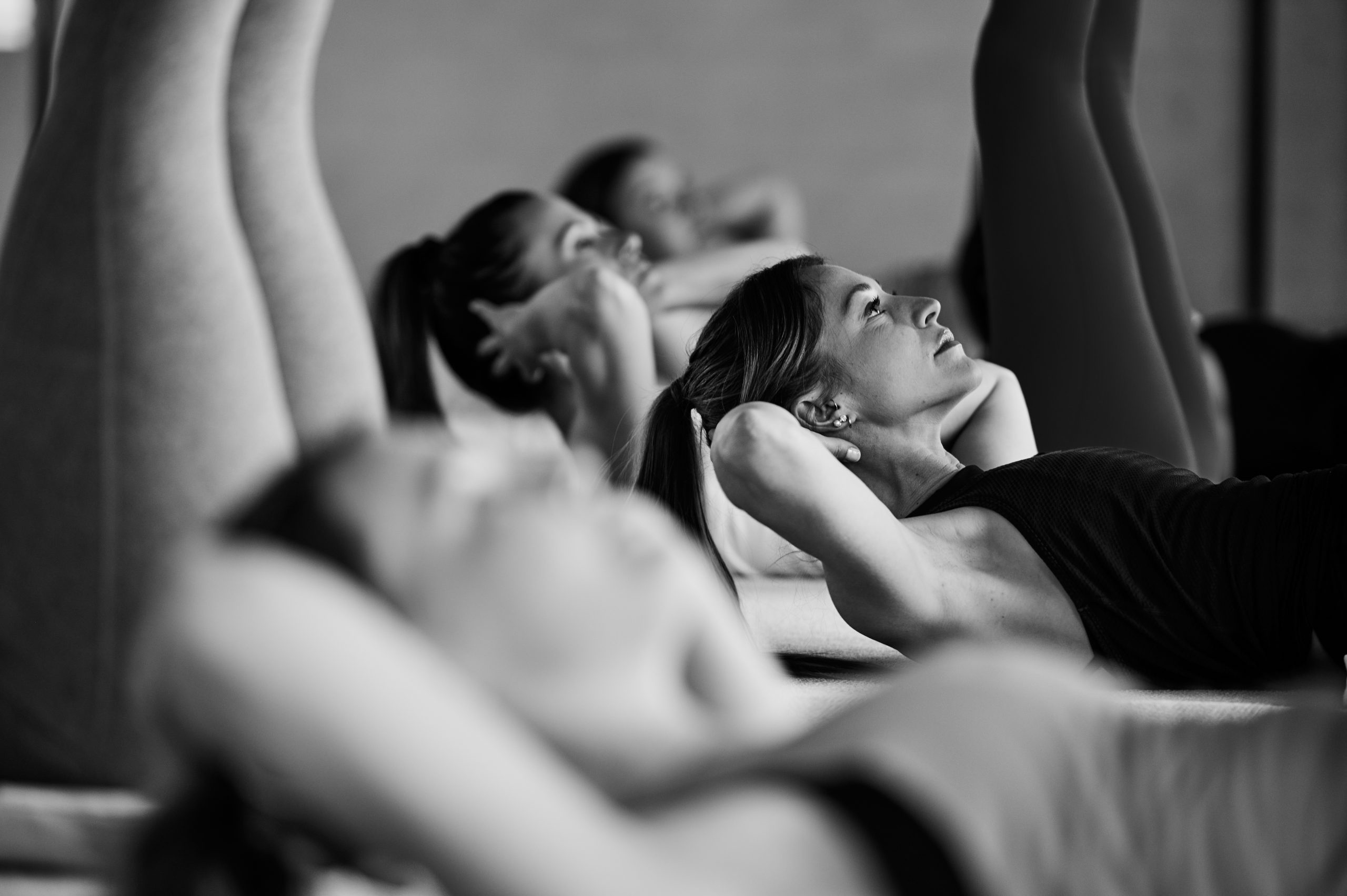
Barre accomplishes toning through isometric movements, which engage muscles for extended periods of time; it’s what causes that signature barre shake. Barre also involves high rep counts, which fatigues the muscles and promotes definition.
Pilates tones muscles through resistance exercises and slow, controlled movements that encourage balanced muscle strengthening and definition.
A final word on the benefits of barre vs. Pilates
Ultimately, the choice between Pilates and barre workouts comes down to your preferences, whether you prefer a slow and controlled workout class or a rhythmic, high-energy workout. Both workouts offer a low-impact option for toning, strength, functional training, and flexibility — not to mention, a mood and confidence boost.
When it comes to barre vs. Pilates, you know we’ve got heart for The Bar Method, but the best option for you is the one that you enjoy most and keeps you consistent.
More barre workouts and resources
- How to Recover After a Barre Workout
- 5 Barre Exercises You Can Do at Home
- How to Fuel Your Bar Method Workout
- How Do You Know When You’re Ready for Bar Strength?
Ready to add barre to your fitness routine? Find a Bar Method studio near you to get started.