New clients! For a limited time, Get 13 Classes for $78 (only $6 per class)

The Method
Is Barre Strength Training? Yes! (And So Much More)
February 24, 2026
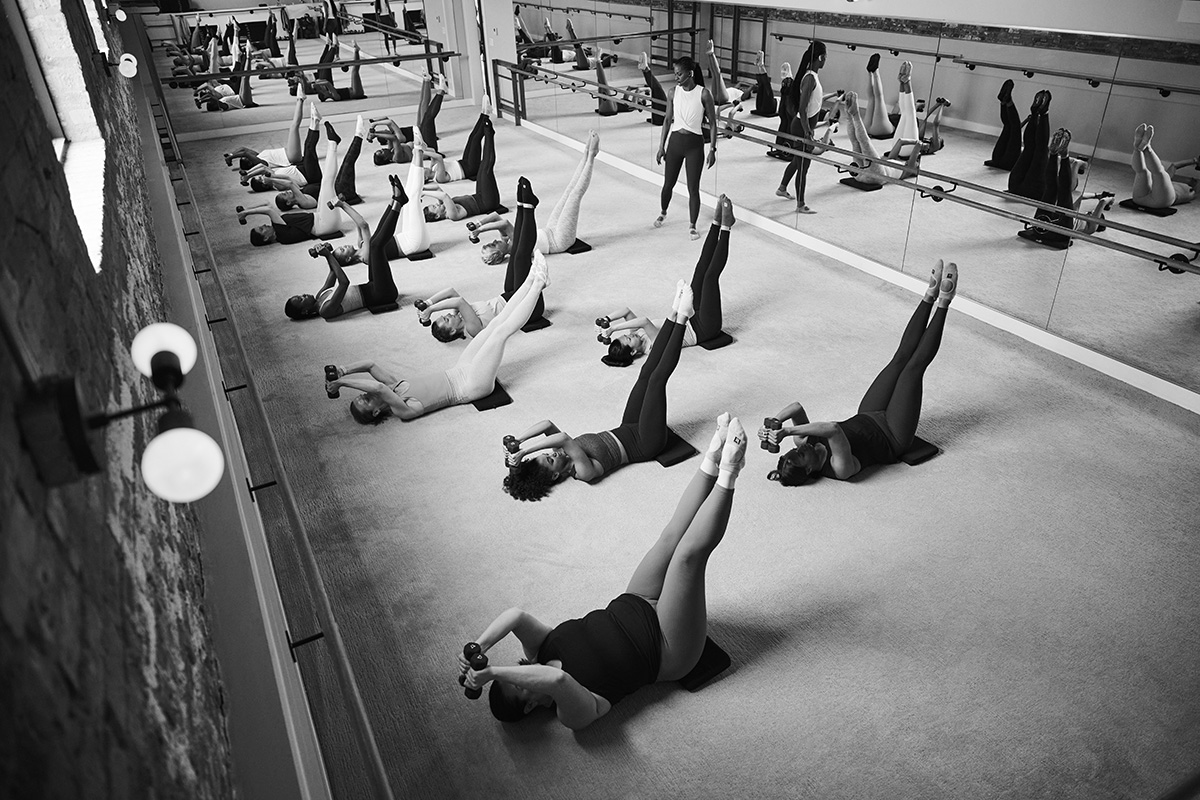
Thanks to barre’s unique combination of ballet, Pilates, and yoga, Bar Method workouts are strength training in disguise. It’s clear with every rep, hold, and pulse: Barre is a fantastic workout. The immediate boost in mood, energy, and confidence you feel after barre class doesn’t hurt, either. But you may wonder, “Is barre considered strength training?”
Absolutely. In fact, the tailored combination of ballet, Pilates, and yoga targets your muscles in ways that traditional strength training doesn’t, helping you build muscle and endurance to prepare you for anything life throws at you.
Here, we explain why barre is resistance training and what sets it apart from other workouts.
Is barre cardio or strength training?
Is barre resistance training or cardio? The answer: Both — though it tends to lean more toward strength training.
Barre poses and movements may look different from the exercises you see in gyms, but they certainly qualify as strength exercises. They involve holding your body in specific positions for an extended period, and often incorporate weights. This helps build total-body strength. The best part is, our Method is science-backed and carefully crafted by a team of kinesiologists, barre experts, and physical therapists to ensure every movement you do during class brings you closer toward your fitness goals. This way, you get an efficient, effective workout every time.
While strength is one of the primary benefits of barre, holding the poses also challenges your heart and lungs. So, you score cardio fitness benefits with barre, too!
Does barre build muscle?
Yes! Like other forms of strength training, barre is effective for building muscle. Barre’s approach of performing several reps with light weights (or bodyweight-only) targets endurance-focused slow-twitch muscle fibers, which helps sculpt muscles without making them bulky.
Choose your own adventure: Cardio or strength
We offer five signature class formats, including Bar Strength and Bar Method Cardio. That way, you can choose whether to focus on building muscular endurance or improving stamina. But whichever workout you choose, you’ll always get a bit of both worlds.
How does barre strengthen muscles in ways that other workouts overlook?
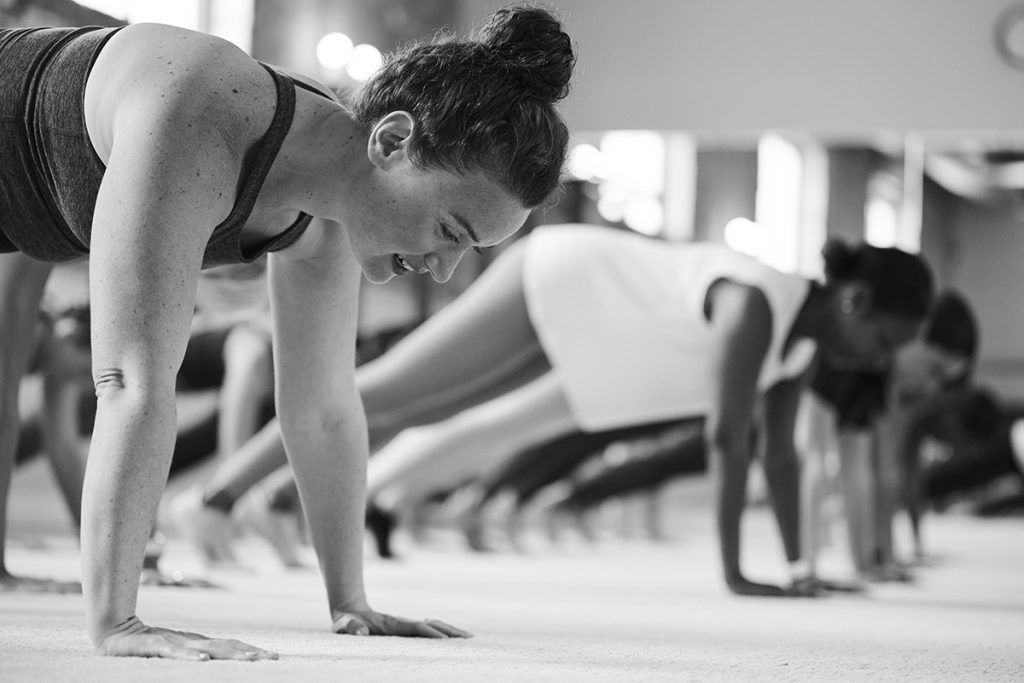
The Bar Method emphasizes isometric holds
Traditional resistance training typically focuses on two types of muscle contractions that occur during movement: concentric and eccentric. Meanwhile, barre emphasizes a third type of muscle contraction known as isometric. Knowing how each muscle contraction type works can help you understand how barre can build strength differently than traditional training.
- A concentric contraction is the muscle-shortening portion of an exercise, such as curling a dumbbell upward during a bicep curl or standing up from a squat.
- An eccentric contraction occurs when the muscle lengthens. Think of lowering the dumbbell during a bicep curl or bringing your seat toward the floor during a squat.
- An isometric contraction involves generating force without changing muscle length. For example, holding the dumbbell at the mid-point of a bicep curl or pausing at the bottom of the squat.
Standard resistance exercises that use concentric and eccentric muscle contractions are effective strength builders. However, many lifters hurry the more challenging portions of a strength exercise, like the mid-point of the squat or bicep curl. Over time, this creates weakness in that position.
Bar Method classes use isometric exercises, also known as static hold exercises, to shore up common weak spots. This builds well-rounded muscles for more strength overall.
Here are several static hold exercises you’ll likely find in a Bar Method class:
- Plank
- Chair
- Arabesque
- Second position
- High curl
- Glutes dancing
Barre Method classes build muscular endurance
Another perk of the isometric training found in barre is it improves muscular endurance, or your muscles’ ability to work for extended periods without tiring. Static hold exercises train your muscles to keep firing to maintain a specific pose — a key skill for healthy posture and greater performance in endurance sports like running and cycling.
Plus, many of the static hold exercises in barre incorporate pulses, or small, ultra-concentrated movements to challenge your staying power. After just a few reps, you’ll get familiar with the “shake” that Bar Method members know and love.
Barre hits muscles you might be missing in other workouts
Our team works with physical therapists and kinesiologists to design workouts that strengthen every major muscle group, from head to toe. But the static hold poses with pulses also target the smaller yet equally important muscles that support the major players — and tend to get left out of fitness routines. In particular, the smaller muscles in the backside of the body, such as the muscles supporting the glutes, latissimus dorsi (the largest muscle in the back), and hamstrings.
Paying attention to smaller muscles only makes larger muscles stronger and more resilient. This helps improve your performance in other activities that rely on muscular strength and endurance, such as swimming and soccer. It can also support your joints and connective tissues, helping you avoid injuries.
And, unlike many traditional strength exercises, every barre pose zeroes in on the core muscles. It doesn’t matter if the pose is targeting the arms, shoulders, glutes, or calves — the core is always involved. This makes barre an effective workout for building core strength.
Can barre replace weight lifting?
We’ve established that barre is strength training. But does it count toward the two weekly strength workouts the U.S. Department of Health and Human Services recommends doing every week?
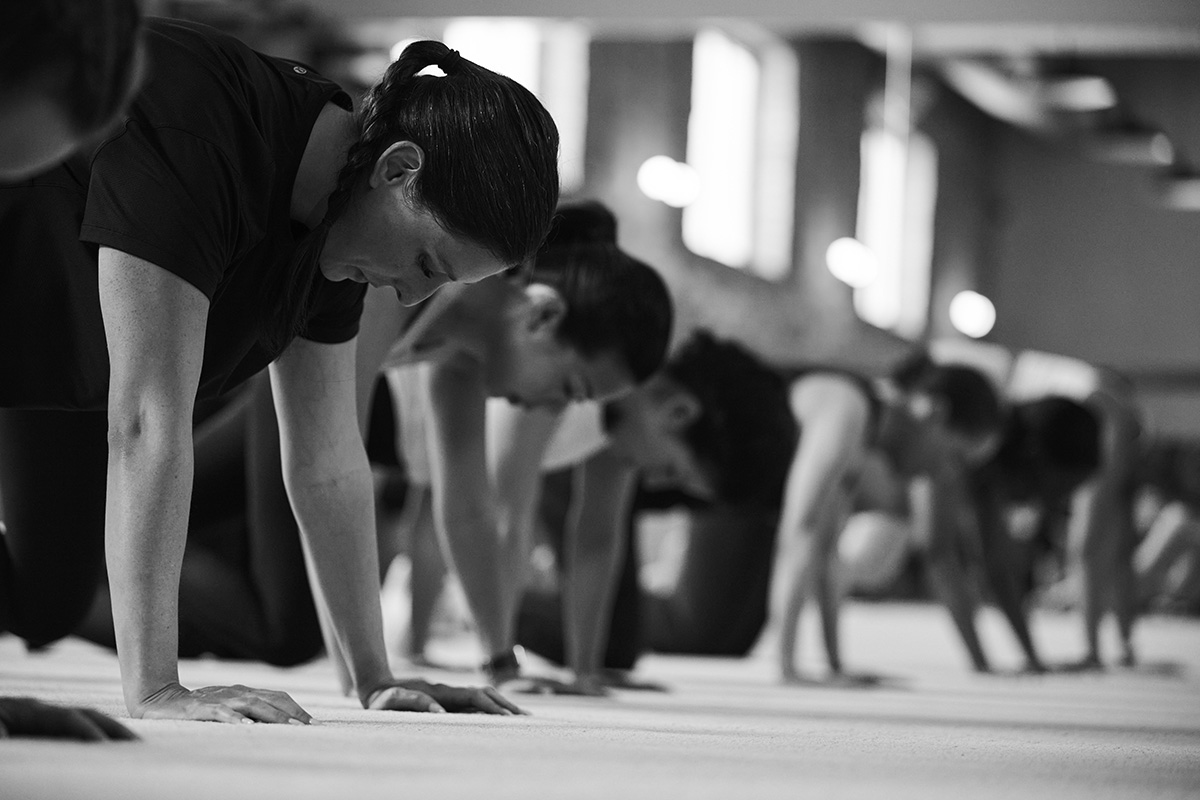
Yes! Strength training is a key element in each Bar Method class. The workout includes upper-body exercises and push-ups, seat and thigh work at the barre, and core exercises on the floor. You’ll primarily use your own body weight for resistance, though your instructor may tell you when to add props like free weights for added challenge.
And, if you really want to lean into the strength training elements of barre, try our signature Bar Strength class. This format amplifies the traditional Bar Method class with more weighted exercises and compound movements to amp up the muscle burn.
Is barre strength training? Yes!
Barre builds strength through isometric exercises and small, controlled movements. Every Bar Method class targets your major muscle groups and smaller, more supportive muscles to promote sustainable, all-over strength to carry you through life.
Strength training with barre is more than a workout — it leaves you feeling confident, strong, and ready to tackle anything. Not to mention, it offers benefits such as total-body strength, muscular endurance and definition, better posture, improved athletic performance, and a lower risk of injuries.