New clients! For a limited time, Get 13 Classes for $78 (only $6 per class)

The Method
How to Recover After a Barre Workout: 5 Must-Do’s
October 8, 2025
You know the feeling after trying a new workout: tired legs, sore arms, and a tight seat (you might even dread going up the stairs). Muscle soreness is a common side effect of many exercise classes, including barre — but why does it happen? And what can you do to get relief? Let’s talk about how to recover after a barre workout to prevent sore muscles and maximize your results.
- Why you might be sore after barre class
- The importance of muscle recovery
- How to recover after a workout
Barre and muscle soreness
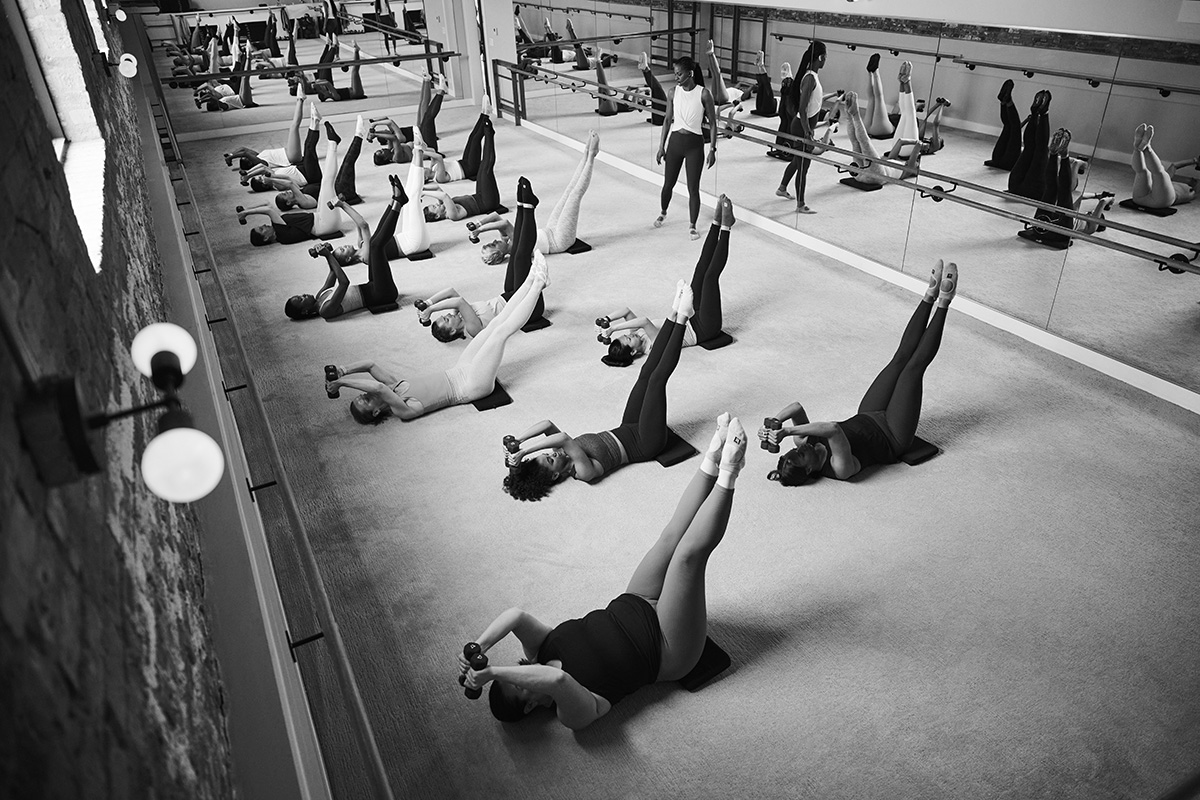
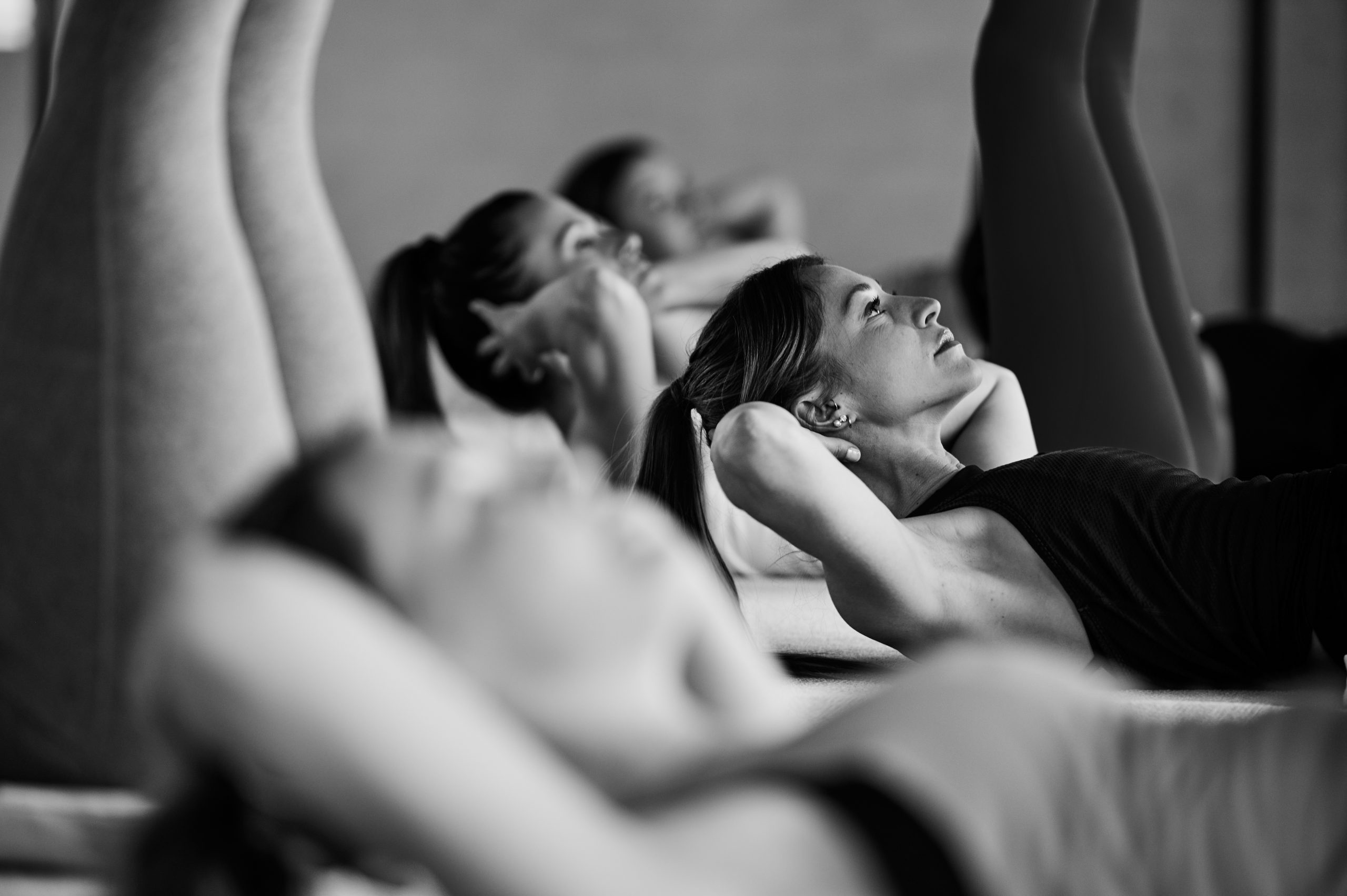
Does barre make your legs sore? Absolutely — and your arms, back, core, and glutes. Being sore after barre class is totally normal, especially if you’re moving your body in ways it’s not used to (the signature Bar Method shake is no joke!). During Bar Method classes, you’ll challenge your muscles with isometric exercises, static holds, rhythmic pulses, and dynamic stretches designed to strengthen, increase endurance, build muscle, and improve shape and definition.
Delayed onset muscle soreness (also known as DOMS) is your body’s natural repair response to the muscle-building work you do in class. If you let it run its course, soreness typically fades away after a day or two.
Is soreness a sign of progress?
While soreness is a surefire sign that you worked your muscles, it’s not the only indicator of progress — so don’t be discouraged if you’re not feeling sore after every barre workout class. Over time, and with a consistent barre routine, feelings of soreness may diminish as your body adjusts to the movements. (If you’re not feeling challenged, ask your instructor for ways to up the ante during class!)
Note: Excessive soreness that doesn’t decrease within a few days may be a sign that it’s time to dial back and focus on recovery.
How often should I do barre workouts?
Every Bar Method workout is designed by our expert instructors and technique directors, who work with kinesiologists and physical therapists to ensure each low-impact exercise is sustainable for your body. That means you can do barre as often as you’d like — whatever feels best for your body. Many members take classes nearly every day; we recommend starting with three classes per week to allow time for post-workout recovery and give you the best results.
If you’re feeling sore after barre class, should you stay out of the studio? Not necessarily. Our expert instructors say you can come back to class the following day to work through the soreness with movement and stretching to increase circulation. (Plan your schedule accordingly!)
Remember to be gentle with yourself during class if you’re feeling sore. For example: Reach for a lighter weight during upper-body work or try a complementary class format like Bar Restore, which is designed to relax and relieve your muscles through longer stretches, or Bar Flow, which uses continuous movement to dynamically stretch the body and elevate your heart rate.
The importance of recovery
Although The Bar Method features a variety of class formats and carefully selected low-impact exercises, your body still needs a break from the action to help you feel your best. When your body is overly fatigued, you may not be able to push yourself in class or get the most out of your time in the studio. It’s also easier to fall out of form when you’re tired, increasing the risk of injury and decreasing the effectiveness of the workout.
Reminder: Progress doesn’t happen in a day, so you won’t lose your progress in one day, either. Knowing how to recover after a workout and listen to your body is key to long-term success!
How to recover after a barre workout: 5 post-workout recovery tips
Here are five of our go-to strategies for post-workout recovery and how to avoid feeling sore after barre class.
Active recovery activities
Rest days are a chance to gently move your body in ways that bring you joy. Here are some of our favorite recovery day activities:
- Walking
- Hiking
- Swimming
- Dancing
- Low-intensity cardio like stationary bikes or ellipticals
- Restorative yoga
- Massage
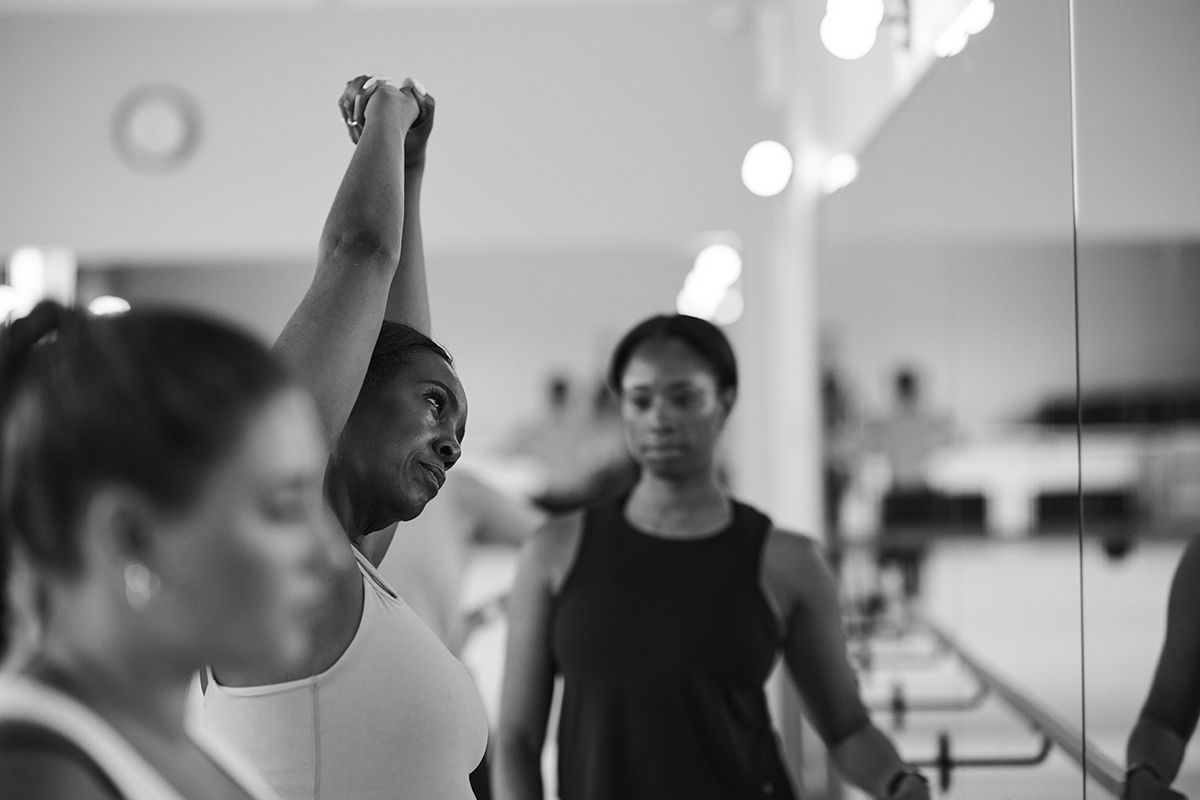
Stretching and foam rolling
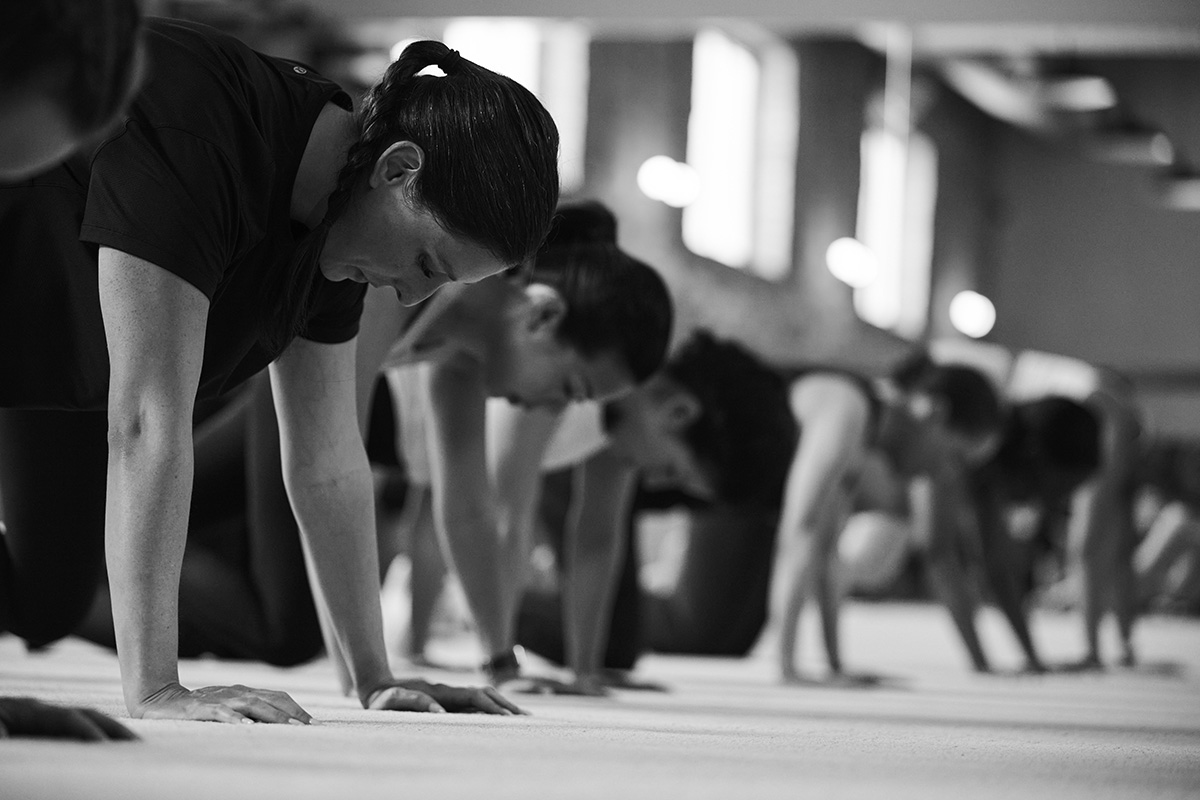
Gentle stretching is a must when it comes to muscle recovery. It helps increase your range of motion and blood flow, decreases your risk of injury, and improves your overall performance. Be sure to warm up slightly beforehand (for example, lifting your knees 30 times or doing 10–20 push-ups).
In addition to stretching, foam rolling is a popular method for relieving muscle tension and improving circulation, but we’re partial to our muscle recovery massage balls, which are designed to apply precise pressure to muscles that foam rollers can’t always reach.
Hydration
Drinking enough water is always important, but especially during post-workout recovery. Water makes up 50% to 70% of your body weight, and every cell, tissue, organ, and muscle in your body depends on it to function properly. That’s why drinking enough water each day is a simple way to help your body heal from muscle injuries and help muscle soreness.
Women should aim for 11.5 cups of water per day, and men should aim for 15.5 cups for optimal performance.
Diet
Your diet is an essential part of your overall health and wellness, including muscle recovery. During a workout, your body uses carbohydrates for energy — and after a workout, it needs protein to support muscle recovery and repair.
After a barre workout, refuel with a carbohydrate-rich, high-protein snack or meal, such as:
- Protein shake or smoothie
- Hard-boiled egg
- Banana with peanut butter
- Lean protein like chicken or salmon
- Yogurt bowl topped with fruit
Sleep
No recovery plan is complete without sleep. Along with muscle recovery, sleep helps strengthen your immune system, regulate your body weight, reduce stress and improve your mood, and lower your risk of chronic and mental illnesses. It’s also key to your body’s muscle repair process, so don’t skip out on catching those Zs after a barre workout. Experts recommend adults sleep between 7 to 9 hours per night.
A final word on muscle recovery after workouts
When you’re trying new things and challenging your body at the barre, soreness is completely normal, and it should decrease over time. If you’re experiencing extreme soreness after months of barre practice, or soreness that doesn’t go away, it could be your body telling you to slow down and take a break.
It may seem counterintuitive, but incorporating rest and recovery days into your barre routine is essential to achieving long-term, sustainable results like increased strength, toning, muscle definition, and endurance. Getting into the barre studio helps you stay in tune with your body, but slowing down and taking breaks is just as important!
More barre tips to shape and define
- Fun Facts About How Muscles Heal
- Tone & Define Your Glutes With These 5 Bar Method Exercises
- How The Bar Method Does Cardio Differently and Why You Will Burn Calories
Tap into expert barre instruction and find the barre routine that fits you best — get started at your nearest Bar Method studio.