New clients! For a limited time, Get 13 Classes for $78 (only $6 per class)

The Method
Beginner Strength Training for Women: Why Barre Is a Smart, Low-Impact Way to Get Strong
May 13, 2026
The secret’s been out: Strength training is strongly associated with improved health span, quality of life, and lifespan. (Especially for women, who could see a 30% reduced risk of cardiovascular-related deaths, compared to 11% for men.)
Yet, beginner strength training for women — and even knowing where to start — can feel like a struggle. Which exercises are best? How often should you strength train? Do you need to use a power rack during every workout? We’re here to give you a what’s-what guide to strength training for a healthy, vibrant lifestyle, including:
- What to focus on as a beginner strength trainer
- Types of strength training and equipment
- What makes barre different from other forms of strength/resistance training
- How often to work out to build strength
- How to measure your progress
What to focus on when you’re new to strength training
Before we get down to the nitty-gritty of equipment, exercises, sets, reps, and more, here are a few high-level principles to keep in mind as you get started with resistance training.
1. Focus on form first.
When you’re new to strength training, it can be tempting to focus on lifting heavier or pushing harder with every workout — but the key is to build a strong foundation first.
That means learning proper form, alignment, and control so your body knows how to move safely and efficiently as your workouts increase in frequency, volume, and intensity. Developing awareness of posture, breathing, and muscle engagement early on creates better movement patterns and helps prevent injury as you build strength over time.
2. Build a consistent routine.
Consistency is just as important as technique. Results like increased strength and muscle toning don’t happen overnight — they come with a regular workout plan that continuously challenges your muscles. (But don’t skip rest and recovery!)
Pro tip: Group workout classes like barre offer a balance of challenge and accountability that keeps you coming back for more.
3. Make your workouts sustainable.
Beginning with bodyweight and light resistance allows your muscles, joints, and connective tissues to adapt and grow gradually without burnout. Choose workouts that emphasize intentional pacing and offer beginner-friendly modifications. Be gentle and patient with your body as each movement becomes more familiar.
Beginner strength training for women: Why barre is an ideal format
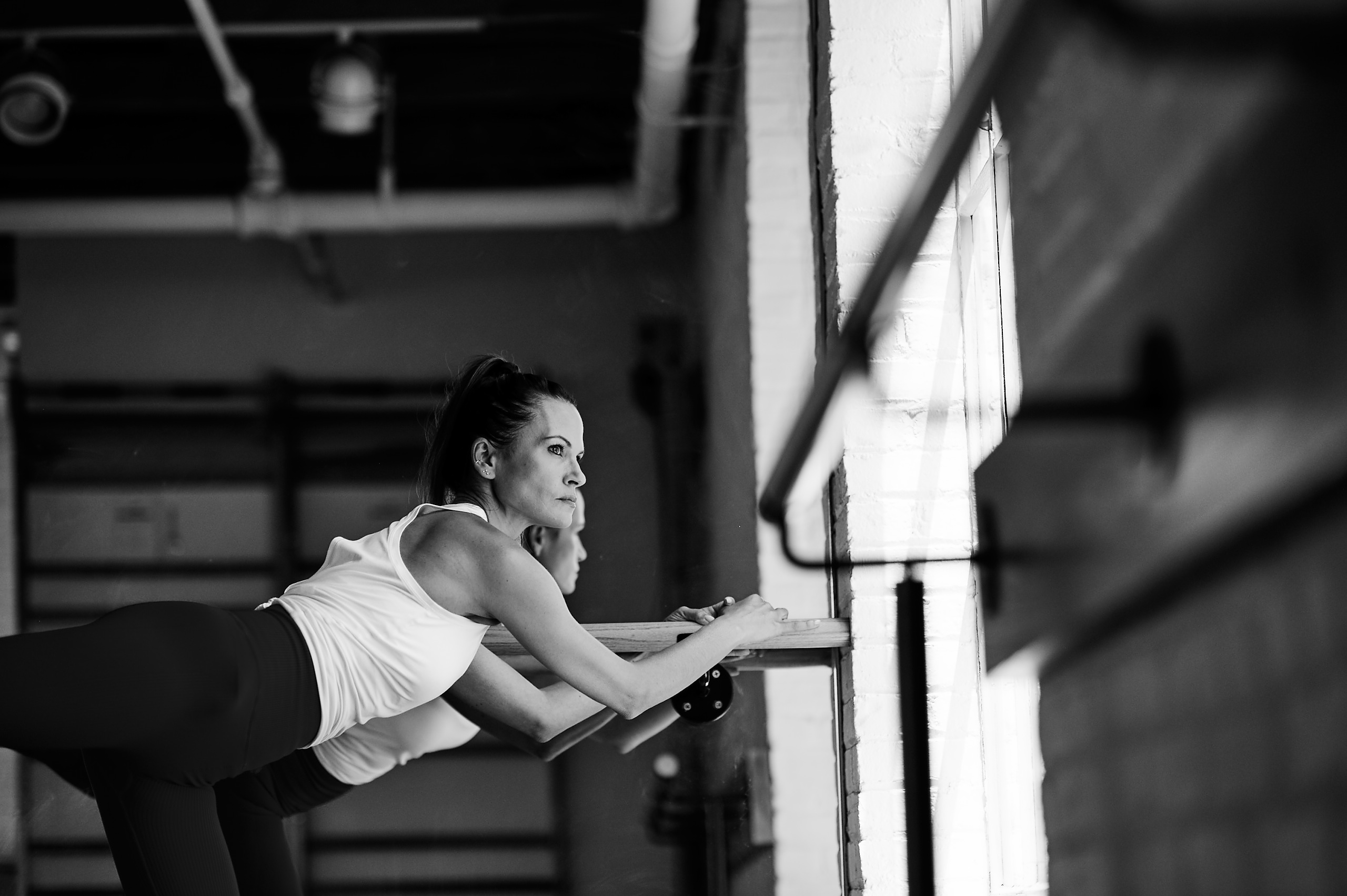
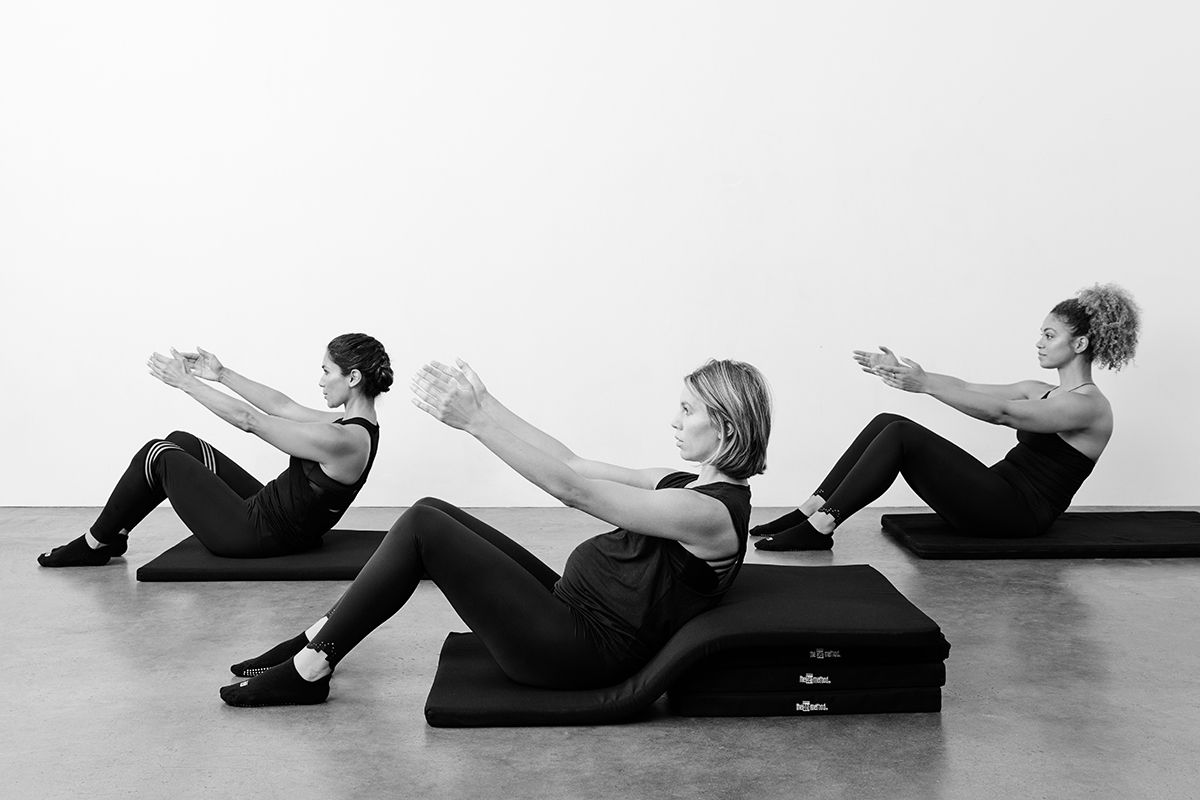
Strength training doesn’t always mean hitting the gym and knocking out bench press reps. It comes in many forms, from free weights (think: kettlebell or dumbbell workouts) to formats like bodyweight exercises, isometric training, HIIT, and calisthenics. Among them: barre, which combines strength training, cardio, Pilates, yoga, ballet, and stretching in one powerful workout.
Barre vs. other forms of strength training
Barre is an effective option for beginner strength trainers because it evolves with you, challenging your body from your first class to your hundredth.
Unlike many “traditional” forms of strength training (e.g., barbells, free weights), barre classes are fully guided, so there’s no need to plan your workouts. Just show up and give your best effort for results you’ll notice over time, like better posture, a stronger core, and a post-class mood boost.
Barre is also perfect for beginners because all the equipment you need, from stretching straps to exercise balls to dumbbells, is provided in the studio. Plus, our signature Method combines strength and recovery in every class: Each workout challenges and restores your muscles to allow you to keep coming back and build a consistent routine. (With recovery built in, it’s one less thing to pack into your schedule!)
Barre provides expert instruction
Our instructors’ background and training play a critical role in shaping a safe, supportive experience — especially for beginners. Instructors complete a rigorous, comprehensive training program that includes anatomy education, injury awareness, and detailed instruction on modifications. Rest assured, every instructor understands not just what to teach, but why movements are performed a certain way.
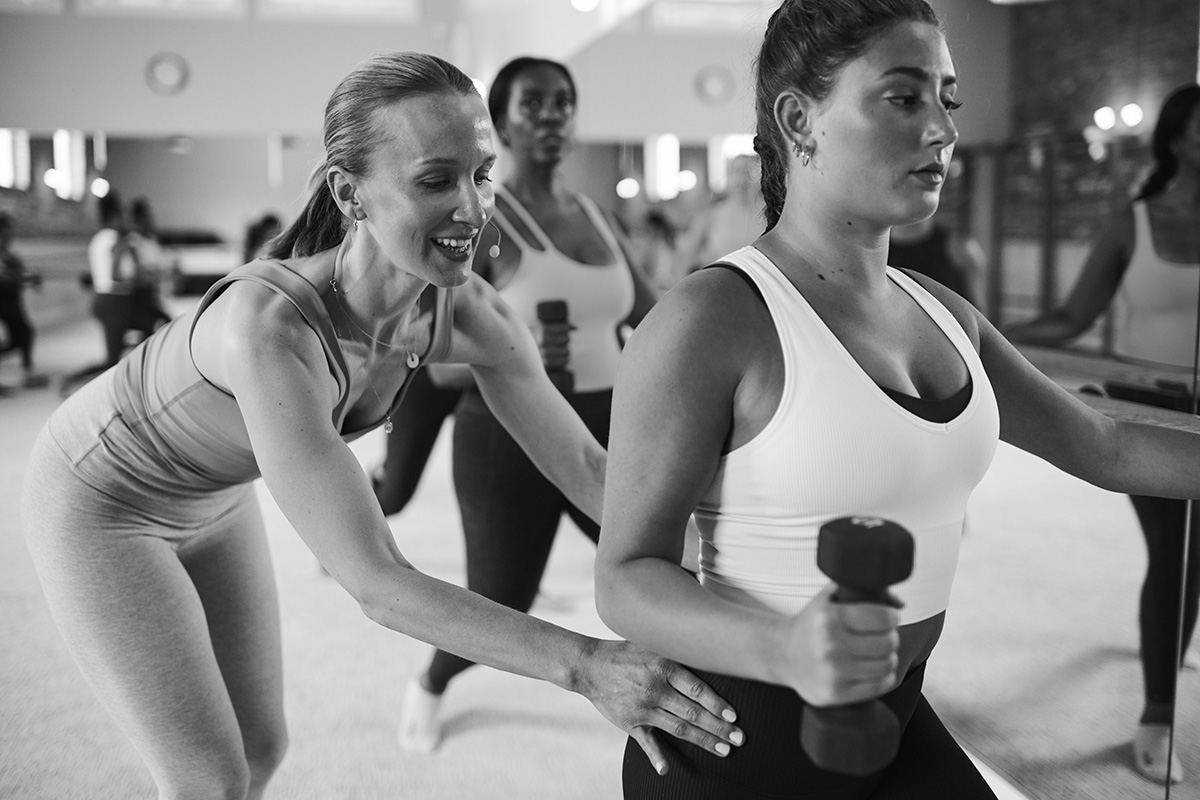
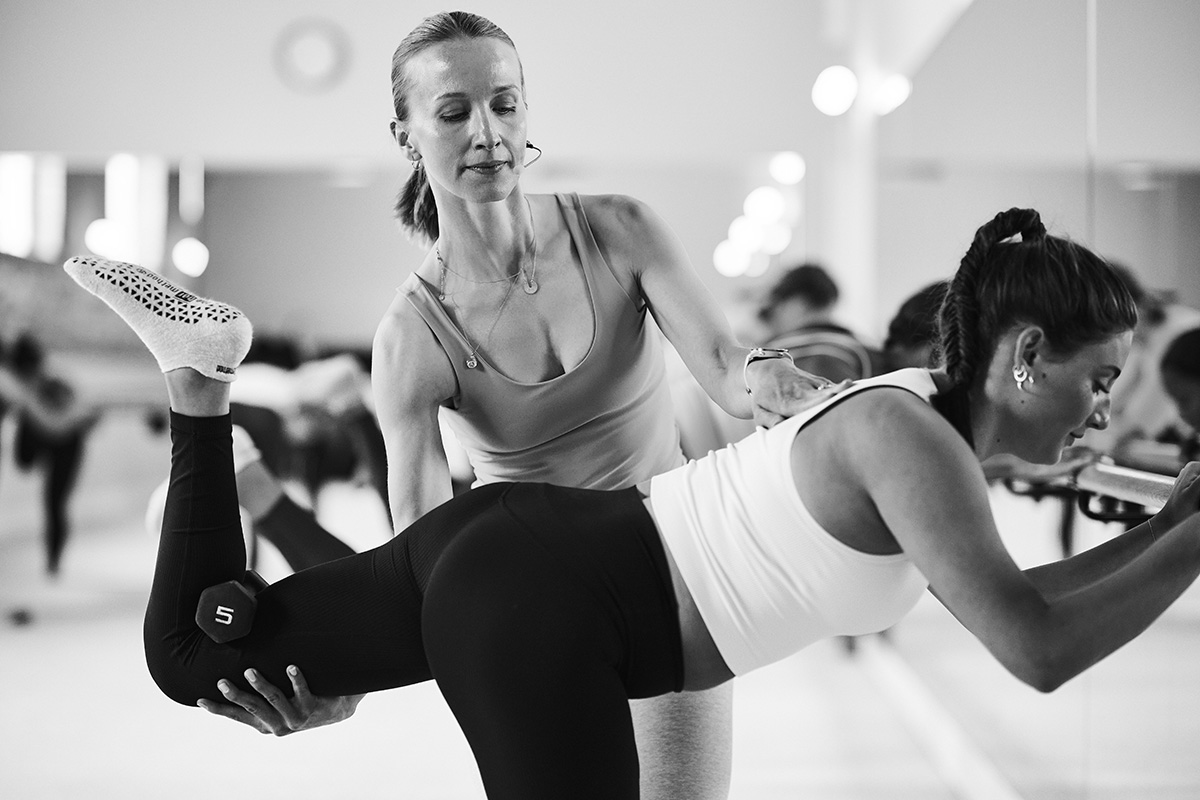
During class, instructors are focused on observing, guiding, and supporting members rather than doing the exercises or getting their own workout in. They also give verbal cues for proper alignment and form, so you know you’re getting the most out of your workout every time (no personal trainer required!).
Barre is science-backed for continuous challenge
From a technical standpoint, our Method continuously challenges muscles by emphasizing precision, control, and constant tension, engaging stabilizers and deeper muscle fibers that other forms of exercise often don’t target.
For beginners, progression happens naturally through small adjustments — holding positions longer, deepening range of motion, refining posture and alignment, or adding light resistance. (Note: A 2025 study showed that even light weight training can help beginners develop strength and muscle mass.) Subtle improvements in balance, form, and breath make the work more demanding, increasing strength safely and effectively over time. Barre also prioritizes balanced muscle development and improved posture by strengthening stabilizing muscles alongside larger muscle groups.
Plus, built-in challenge options and modifications make it easier to scale intensity during class. This supports consistent, long-term strength development rather than quick, unsustainable gains.
Barre supports sustainable weight loss on GLP-1s
Barre is also helpful if you’re getting into strength training as part of a GLP-1 weight-loss program. If you’re taking a GLP-1, you might know that losing lean muscle mass is a potential risk. (In fact, up to 40% of the total weight lost could be attributed to lean muscle mass!)
That’s why eating a high-protein diet and focusing on resistance training are key to sustainable, healthy weight loss with a GLP-1. However, due to changes in appetite and daily calorie intake, you might find that fluctuating energy levels make it more challenging to maintain a consistent workout routine.
Thankfully, our Method has a variety of signature formats to fit your unique fitness goals and your body’s day-to-day needs. When you’re feeling energized, classes like the traditional Method, Bar Strength, or Bar Flow help you build strength and maintain lean muscle mass. On lower-energy days, formats like Bar Restore allow you to bring down the intensity and keep your body moving while still challenging your muscles.
This variety helps you build sustainable strength by keeping your muscles guessing, encouraging gentle movement when you need it, and ensuring you don’t get tired of the same old strength training routine.
How often to work out to build strength
The current Physical Activity Guidelines for Americans recommend at least two days of muscle-strengthening activity per week. If barre is your preferred strength training method, two days a week is a great place to start — but for best results with our Method, we recommend three to five classes per week. This gives your body enough strength stimulus to build muscle while allowing time for recovery and adaptation. (Remember, real progress happens when you challenge yourself consistently!)
Starting with foundational classes — like the 60-minute Bar Method or the 45-minute Bar Method Express — helps you focus on foundational movements, proper alignment, and the cueing that makes the Method effective. Once you’re comfortable, incorporate other formats like:
These offer more targeted benefits, including cardiovascular endurance, higher-intensity strength work, mobility, and restorative stretching. This will allow you to continue progressing while keeping your practice balanced and engaging.
How to measure your strength training progress
Whether you’re just getting started with strength training or you’ve been at it for years, progress shows up in both what you can do and how you feel. Sure, visible signs like increased muscle definition and an ability to lift heavier weights are encouraging, but other progress indicators might be less obvious.
These can include:
- Lowering deeper in thigh work without pausing
- Completing all push-ups on the balls of your feet
- Feeling more powerful during seat work
- Moving with better balance and posture
- Comfortably lifting a heavy object (like the suitcase you always overpack)
- Leaving class feeling energized and confident, not drained
Over time, these small wins add up to increased strength, endurance, and overall vitality.
3 tips for strength training success
No matter which form of strength training you choose, keep these three tips in mind as you progress to heavier weights, higher frequency and volume, and more intensity over time.
- Stay consistent. We’ve said it before, and we’ll say it again: Consistency is key to progress, including strength, posture, balance, endurance, and overall energy.
- Tune into your body. Pay attention to how your body feels with each workout. Over time, you’ll be able to notice and appreciate subtle changes in strength, balance, and more.
- Celebrate the small wins. Your success is measured against yourself! Be kind to your body and mind, every step of the way on your strength journey.
Strength training helps you become your most powerful self
When it comes to beginner strength training for women, the best routine is the one that you can do consistently — one that challenges your muscles without sacrificing form or time for recovery. If you’re craving a sustainable, efficient option that’s full of variety, barre could be the workout you need to get started.
As you develop strength and get more comfortable, barre can be an effective stepping stone to other forms of strength training — but it’s powerful enough to challenge you on its own in the long-term, too. With expert instruction and science-backed programming, barre promotes consistent, sustainable muscle growth that supports an active, vibrant lifestyle.
More about the science of strength training and barre
- What Is Isometric Exercise? The Secret to Barre Results
- Static Hold Exercises: Build Strength With Targeted Isometric Moves
- The Essentials of Muscle Healing
- Is Barre Good for Weight Loss? Science Says Yes
Ready to get started with strength training? Find a studio near you and hit the barre.