New clients! For a limited time, Get 13 Classes for $78 (only $6 per class)

The Method
Lagree vs. Barre: What You Need to Know to Get Results
June 30, 2026
When you’re balancing the hustle and bustle of life along with a regular fitness routine, knowing which workout is right for you can feel like a guessing game. Think: Choosing between Lagree vs. barre.
We get it! Your time is precious, so you need a workout that challenges you and truly helps you work toward your fitness goals. We’re here to break down the differences between these two powerful workouts to help you decide which one aligns best with your goals. You’ll learn:
- Key differences between Lagree vs. barre, including intensity, equipment, technique, and results
- Which is harder: Lagree or barre?
- The three S’s of Lagree and how barre compares
- Questions to consider as you compare Lagree vs. barre
Lagree vs. barre: Key differences to know
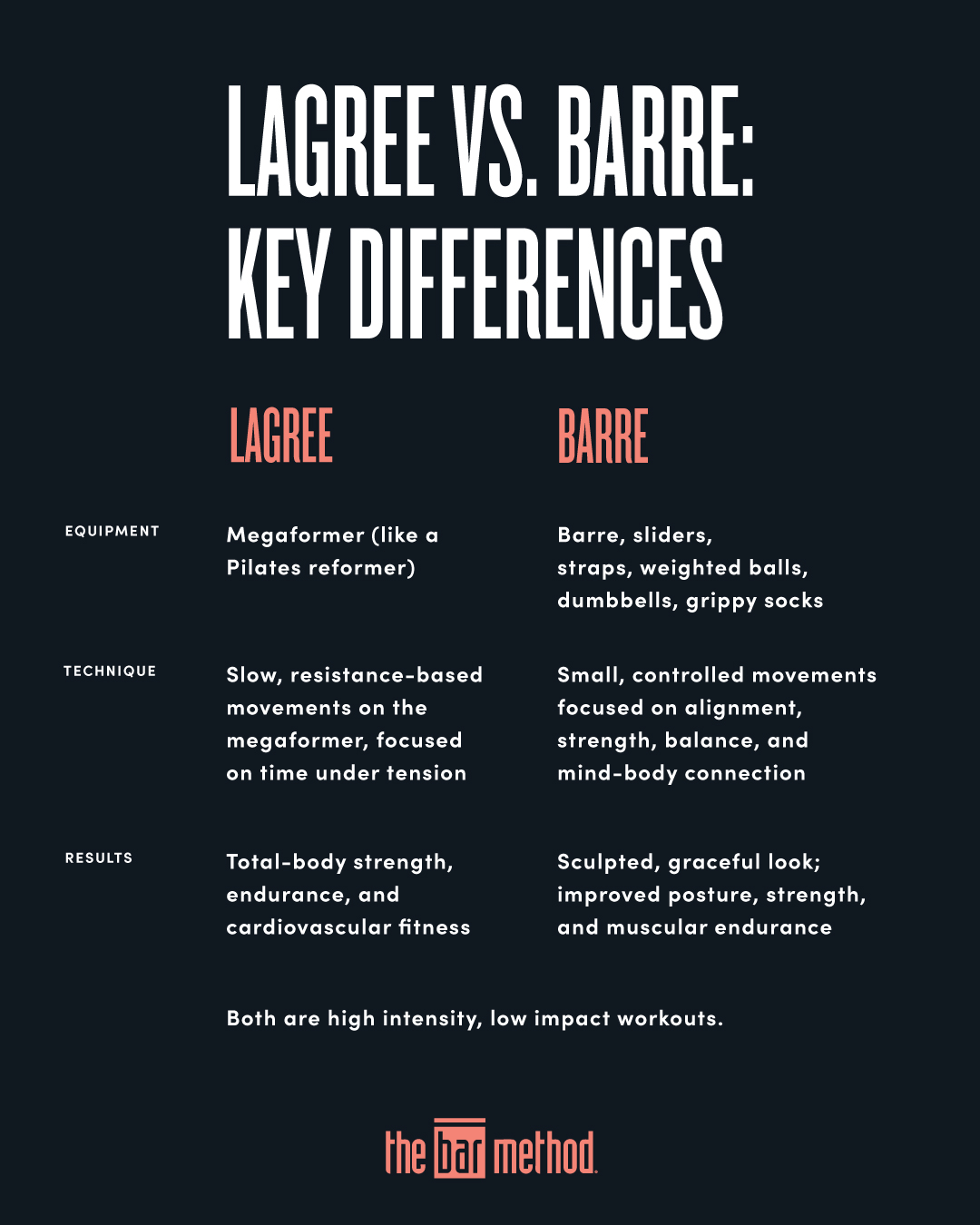
While both barre and Lagree are powerful workouts designed for strength training, toning, and muscle endurance, there are a few key differences that you need to know to decide which option fits your goals best. Here’s an overview of both formats.
Features and results of Lagree
- Intensity: High intensity, yet low impact.
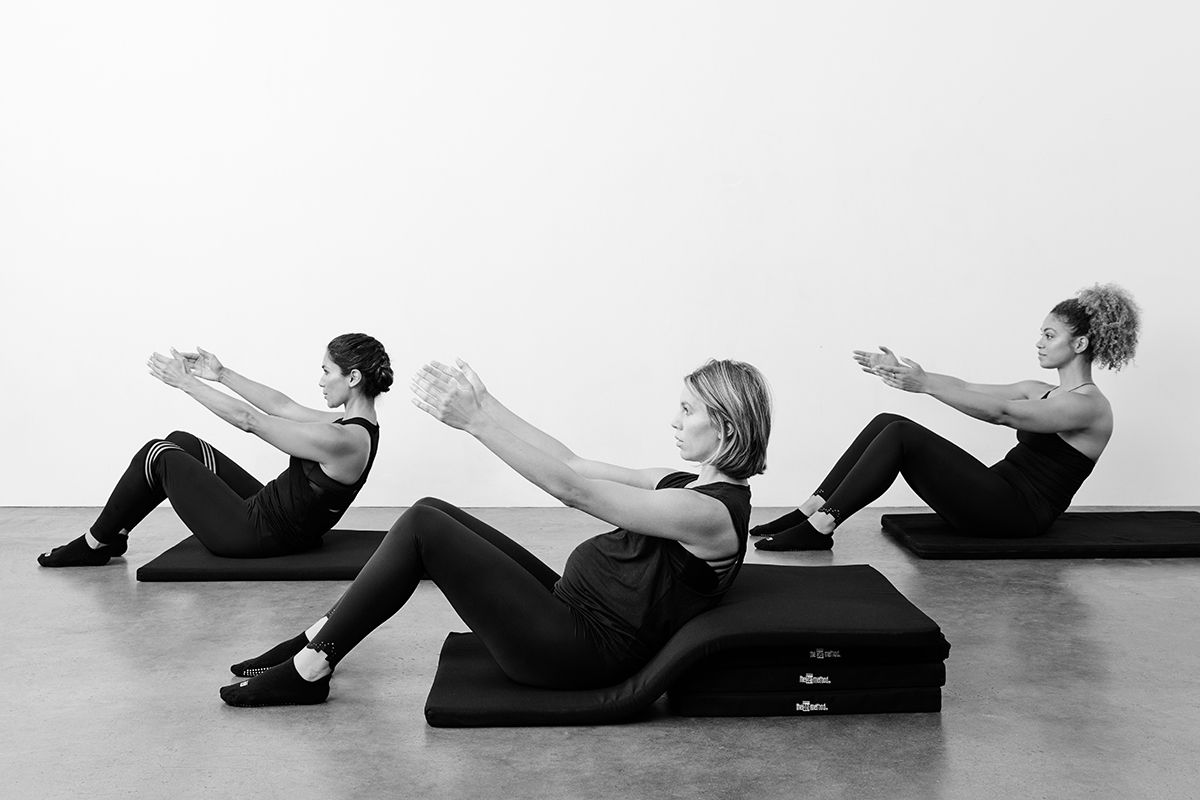
- Equipment: Megaformer (similar to a Pilates reformer)
- Technique: Slow, resistance-based movements on the megaformer, focused on time under tension (TUT) to challenge muscles while protecting your joints.
- Results: Total-body strength, endurance, and cardiovascular fitness.
Features and results of barre
- Intensity: High intensity, yet low impact — easy on the joints!
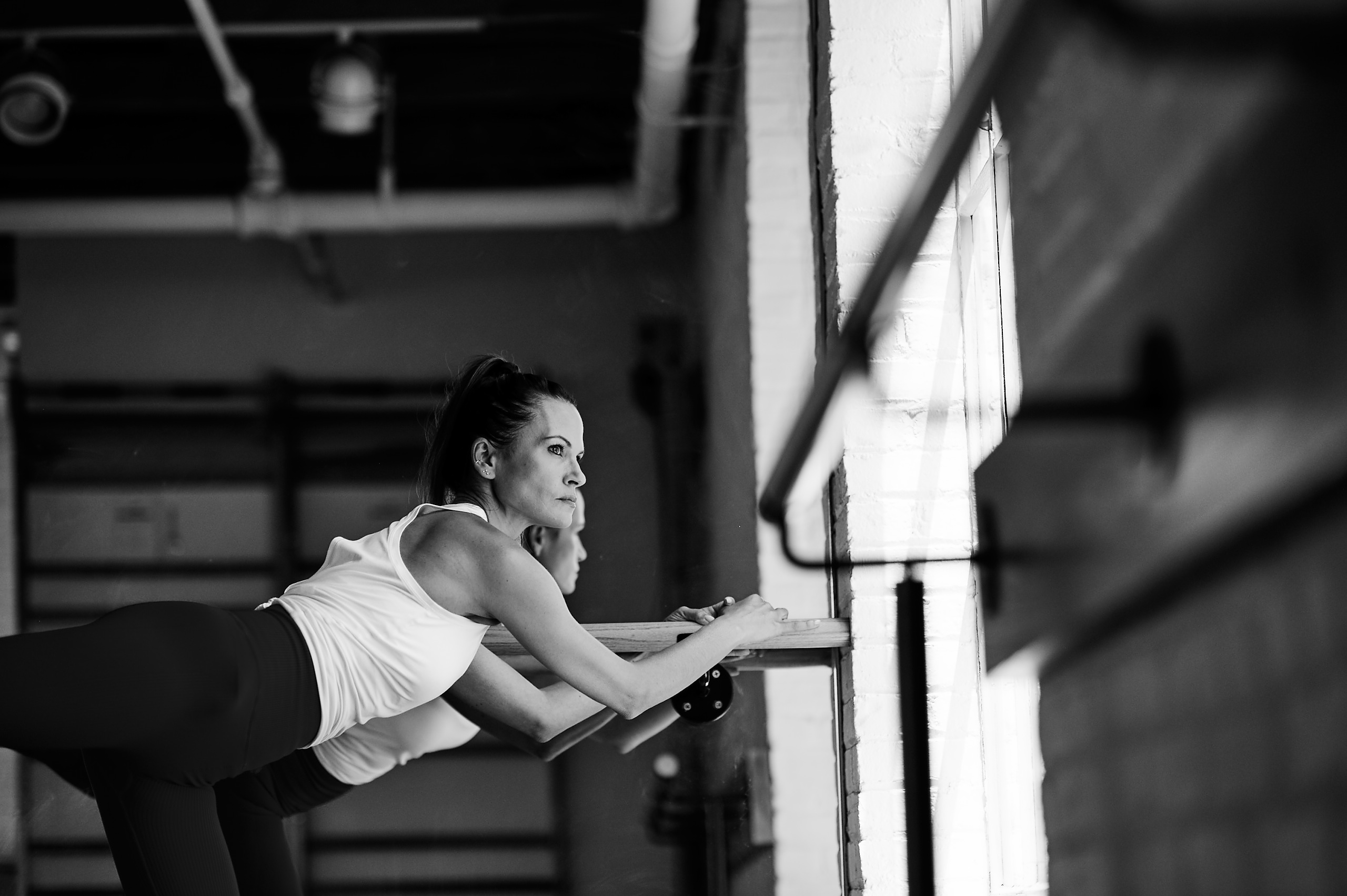
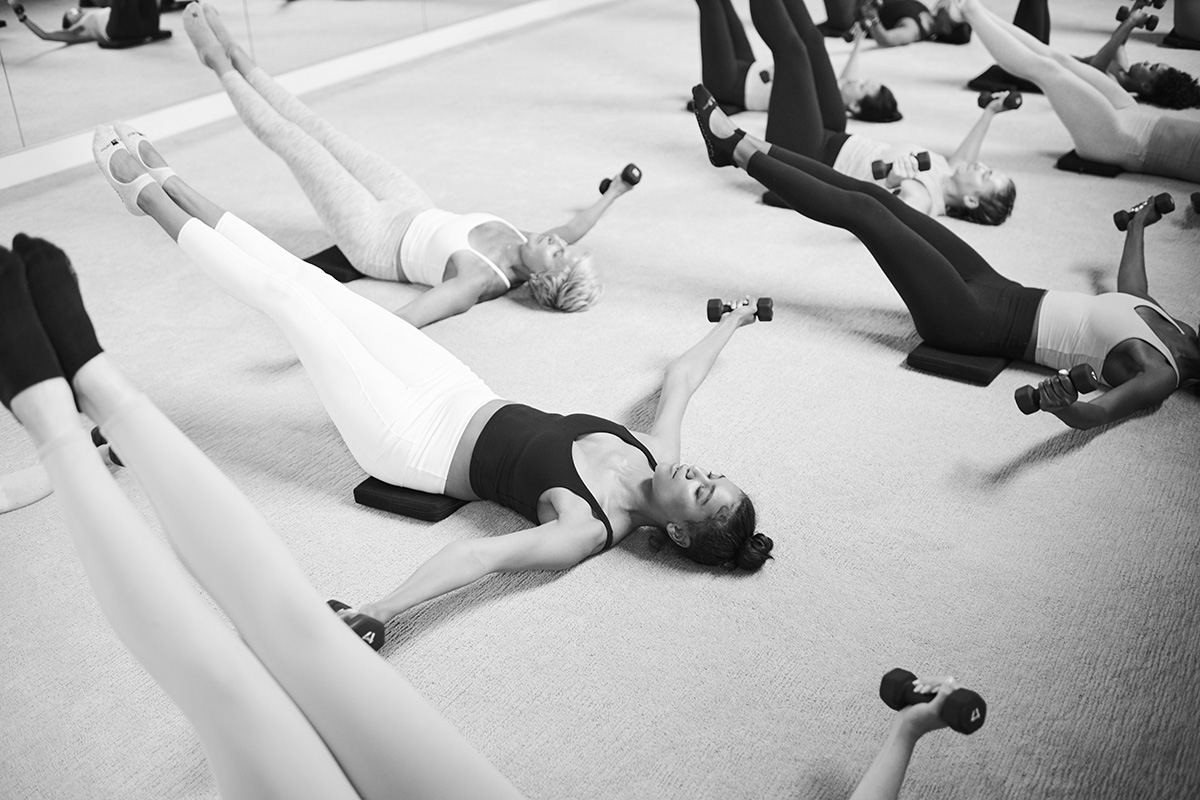
- Equipment: Barre, sliders, stretching straps, weighted balls, dumbbells of varying weights, and of course, grippy socks.
- Technique: Small, controlled movements that strengthen and lengthen the body. Focused on alignment, balance, and mind-body connection.
- Results: A sculpted, graceful look — improved posture, strength and stability, and muscular endurance.
Is Lagree harder than barre?
This is one of the most commonly asked questions when it comes to Lagree vs. barre, but there isn’t a one-size-fits-all answer. The truth is: It varies from person to person.
Both Lagree and barre give you an intense total-body workout. Barre focuses on small, isometric movements using bodyweight as resistance, while Lagree uses a larger range of motion under higher amounts of resistance or tension. Some may find that the rhythmic pace and intensity of barre are more challenging to their body and mind, while others may find the slower pace of Lagree more demanding.
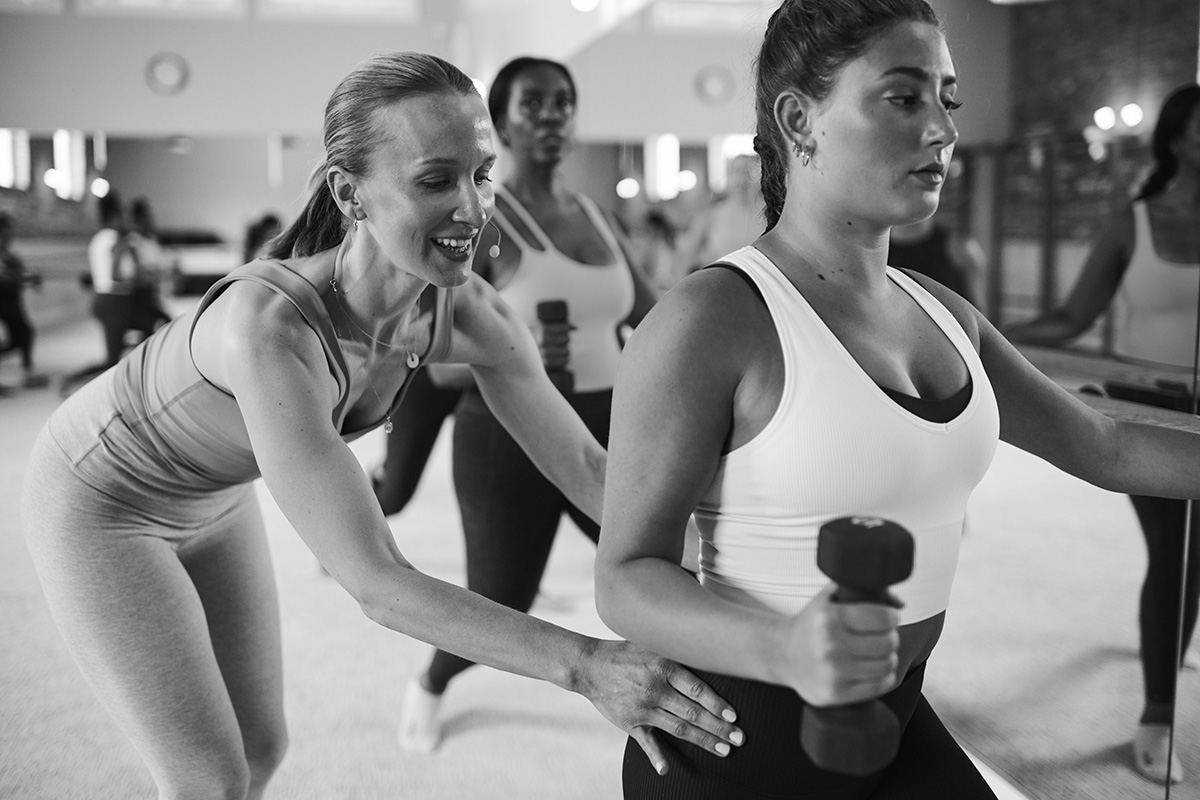
So, the question of which format is “harder” comes down to personal preference and ability. It may take time to figure out which workout is the best fit for your goals. When you come to a Bar Method studio, our expert instructors will be there to teach and guide you every step of the way, ensuring you get the most out of your experience.
Related: What Is a Barre Workout?
The 3 S’s of Lagree — how does barre compare?
If you’ve ever done Lagree, you might be familiar with the three S’s:
- Shake
- Sweat
- Sore
The three S’s summarize the experience of a Lagree workout, from how you’ll feel in the moment to the results you can expect after. Here’s a closer look at each “S” — and how it compares to barre.
1. Shake
Ahh…the shake. If you’ve done a barre workout, you’re probably familiar with the shake that comes from muscle fatigue. Lagree causes a similar effect, but for different reasons.
In Lagree, the shake comes from continuous, slow, resistance-based movements that put large muscle groups under constant tension. The Lagree shake targets a combination of fast- and slow-twitch muscle fibers.
The barre shake, on the other hand, is more localized and precise — it happens when your stabilizing muscles reach fatigue through isolated movements. The barre shake signals deep muscle engagement in slow-twitch (endurance) muscle fibers.
In both cases, the shake is a sign that your muscles are being pushed to their limit — and that’s where real transformation happens.
Related: The Essentials of Muscle Healing
2. Sweat
Due to the constant challenge on your muscles and cardiovascular system, Lagree will have you working up a sweat. At the same time, the fast pace and intensity of full-body barre movements will also fire you up. Trust us, you’re going to sweat (and improve your cardio endurance) no matter which workout you choose.
3. Sore
Soreness is often a sign you’ve moved your body in a new way or challenged your muscles. But at The Bar Method, we believe soreness isn’t a true measure of how hard you’ve worked. Everyone experiences each workout differently!
Both workouts can lead to soreness, depending on the intensity and your experience level. However, some find that Lagree tends to cause more muscle soreness because of the mix of muscle fibers at work; barre works similar muscle fibers but is designed to promote faster recovery.
Want that toned look? What you need to know to get results
If your goal is to create lean, toned muscles, barre and Lagree are both effective low-impact, full-body workouts, but the appearance of the results differs slightly. The goal of barre is to precisely target your muscles, toning and lengthening them while improving stability, flexibility, and balance. Lagree results in more significant muscle growth through full-range movements.
No matter which workout format you choose, consistency is key. Plus, supplementing your fitness routine with a nutrient-dense diet and proper recovery leads to optimal results and helps you feel your best.
Learn more about how to complement your workout with nutrition:
- What to Eat Before a Workout: How to Fuel Your Next Bar Method Class
- How to Recover After a Barre Workout: 5 Must-Do’s
How to choose between Lagree vs. barre
If you’re still trying to choose between Lagree or barre classes, consider these questions.
What kind of results are you looking for?
A Lagree workout strengthens larger muscle groups, while a barre workout precisely tones and targets deep muscles.
What level of intensity do you prefer?
Lagree tends to build with slow intensity, while barre brings the high-energy rhythm.
What other forms of exercise do you enjoy?
Consider how barre or Lagree might fit into your existing routine and schedule. Do you need a precise, targeted workout with variety that you can do every day, or a workout that targets larger muscle groups (and requires a little more recovery)?
How often would you like to go to class?
Lagree tends to require more time for recovery between workouts, while our Method is designed to be safe enough to do every day.
Which equipment do you prefer working with?
Lagree uses the multi-purpose megaformer, while barre offers more flexible options and modifications with equipment.
Note: Since Lagree uses a megaformer, it must be performed in a studio with proper equipment. Barre offers more variety in equipment and movements, meaning you can do it in the studio or create a home setup more easily. There are pros and cons to both options, so consider what works best for your goals and schedule.
Lagree or barre? Choose what works best for your body!
When it comes down to it, both barre and Lagree are effective, low-impact, full-body workouts that lead to transformative results. The choice between the two formats is up to you, and our expert team is here to educate and inform you to help you make the best decision based on your personal goals. No matter which workout you choose, you can’t go wrong — movement is medicine!
More on our Method
- Barre vs. Pilates: What’s the Difference?
- The Best Barre Core Exercises to Tone Your Stomach
- Is Barre Good for Weight Loss? Science Says Yes
Interested in seeing and feeling the benefits of barre for yourself? Find your nearest Bar Method studio to get started.