New clients! For a limited time, Get 13 Classes for $78 (only $6 per class)

The Method
Effective Prenatal Core Exercises for Healthy Pregnancy & Recovery
August 5, 2026
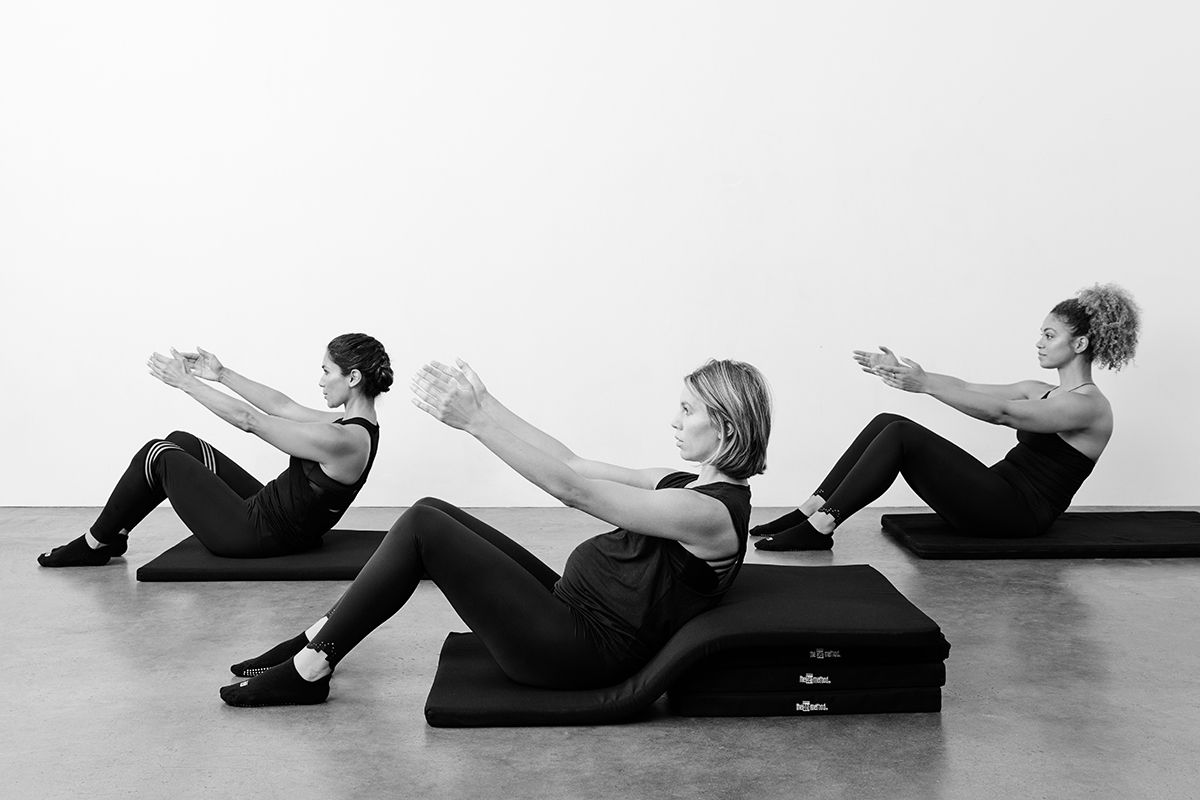
Your core is at the center of every movement — especially during pregnancy and the postpartum phase. From supporting your growing baby to helping you recover after giving birth, a strong, stable core can make your journey safer and more comfortable.
That’s where prenatal core exercises come into play. Whether you’re newly pregnant, preparing for childbirth, or rebuilding your strength postpartum, prenatal core exercises can help you feel stronger and more confident through it all. That’s what makes barre one of the safest, most effective pregnancy workouts. Every Bar Method class is packed with gentle, yet challenging movements to strengthen the muscles that support your changing body.
Is barre safe during and after pregnancy?
Absolutely! Barre classes are low-impact, making them a safe, effective core workout for people who are pregnant or recovering from childbirth. Every workout can also be customized to fit your individual needs as they change during and after pregnancy.
Plus, the American College of Obstetricians and Gynecologists actually recommends at least 150 minutes of moderate-intensity aerobic activity every week for pregnant and postpartum people. That translates to two to three barre classes per week.
Consult your doctor before starting prenatal or postnatal barre
Bar Method classes may be designed to fit every fitness level and ability, but pregnancy and the postpartum period come with unique challenges. That’s why it’s important to consult your healthcare provider before signing up for barre. Your doctor can give you personalized guidance for how to modify core exercises and which to avoid. (Your expert barre instructor can help with this, too!)
Related: Barre During Pregnancy: Why It’s a Safe and Effective Workout
How does barre strengthen the core?
Barre workouts are designed to target every muscle in your core — from your abs and seat (glutes) to your pelvic floor (the muscles that form a supportive hammock at the base of the pelvis). Every class uses breathwork and controlled, precise movements to engage these key core muscles simultaneously.
Take core exercises like tilted seat and static curl, for example. These staple barre movements focus on isometric contractions — where the muscle contracts without changing length — paired with tiny, controlled movements. All the while, you’ll be instructed to maintain proper alignment and breath control. This may sound simple, but these micro-movements are incredibly effective at activating your core, especially your pelvic floor.
The more you practice these techniques, the better your core stability, endurance, and coordination become. A stronger core can help with bladder control, posture, and overall functional fitness — benefits that are especially valuable during pregnancy and postpartum recovery.
Can prenatal core exercises help prevent diastasis recti during and after pregnancy?
Diastasis recti — the separation of the rectus abdominis (“six-pack”) muscles — is a natural part of pregnancy as your body makes room for your growing baby. For many people, that separation can stick around for months or even years after giving birth. If this happens to you, your abdomen may protrude just above or below your belly button, which can be frustrating and uncomfortable, to say the least.
The good news? While there’s no guarantee that prenatal core exercises can prevent diastasis recti entirely, Bar Method classes can help minimize your risk. With a focus on proper breath, alignment, and muscle activation, barre exercises help you maintain core stability and function throughout your pregnancy. This approach reduces excess pressure on your abdominal wall — a key factor that contributes to diastasis recti — while building the strength you’ll need for postpartum recovery.
5 best prenatal core exercises in barre
Specific barre exercises can help you prepare for childbirth by strengthening the core, pelvic floor, glutes, and muscles that support posture. Effective prenatal core exercises (like the ones below) also promote mobility and breath control.
Incorporate the following barre exercises into your prenatal fitness routine:
1. High curl
The high curl focuses on breathwork and engages the transverse abdominis (a deep core muscle), diaphragm, obliques, and pelvic floor — all muscles utilized during childbirth.
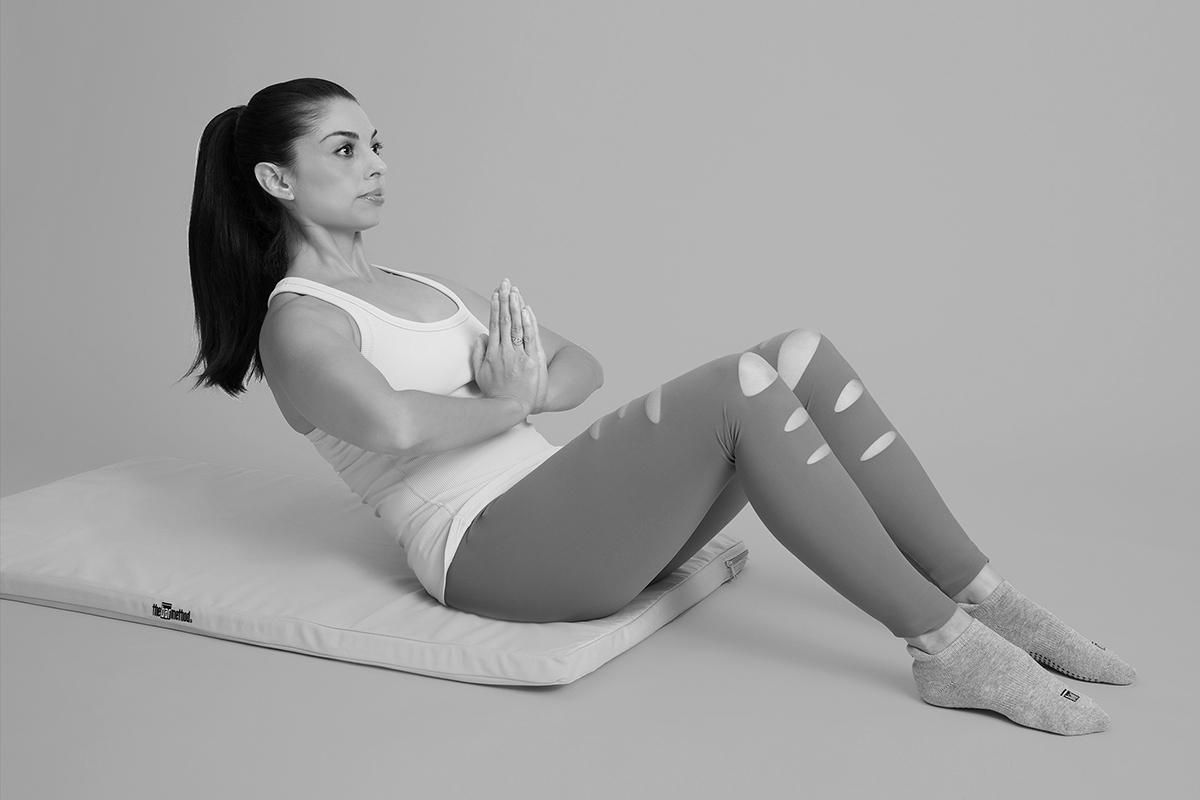
How to:
- Sit up with your knees bent and feet hip-width apart on the floor.
- Place support behind you (could be barre props like risers or at-home items like throw pillows), and lean back against it at a 45-degree angle.
- Grip your glutes, hold onto the backs of your thighs, and bend forward at your waist.
- Exhale at varying tempos and let go of your legs for 10 to 20 counts at a time.
- Keep your torso still and focus on your breath.
- Engage your abdominals and hold this position, exhaling forcefully at varying speeds for up to two minutes.
Modification: If you have stress in your neck or shoulders, or feel like you might fall backward, position a throw pillow under your mid-back to help you stay in position.
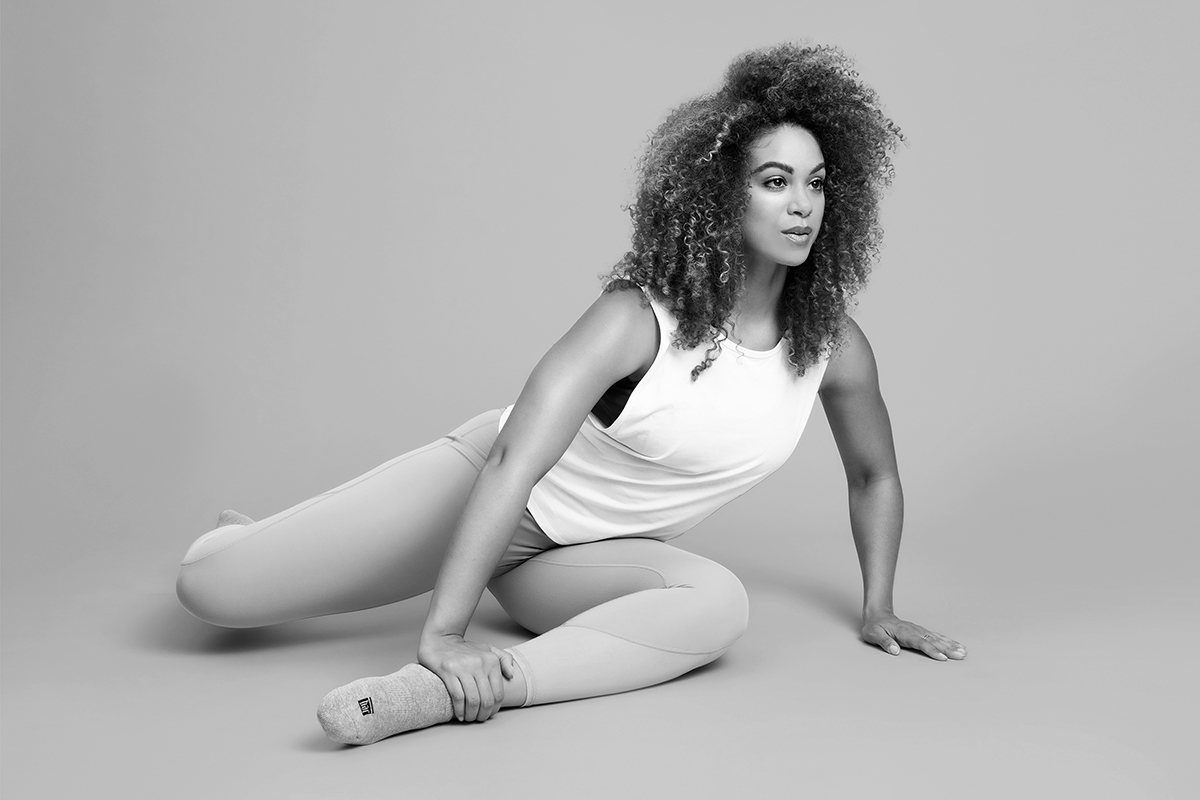
2. Pretzel
Pretzel activates the glutes and core while opening the hips, helping relieve lower-back pressure and improve pelvic mobility.
How to:
- Sit on the floor and sweep your right leg in front of you and the left leg behind you.
- Create two 90-degree angles with both legs; slide your left knee back until it’s in line with your left hip.
- Place your right hand on the floor next to your front knee and your other hand on your front shin.
- Lean your torso diagonally to the right and slightly forward.
- Lift your left foot off the floor and press your left hip forward.
- Using the side of your glutes, lift your left knee one inch off the floor, and then down an inch.
- Continue performing reps for one minute before switching sides.
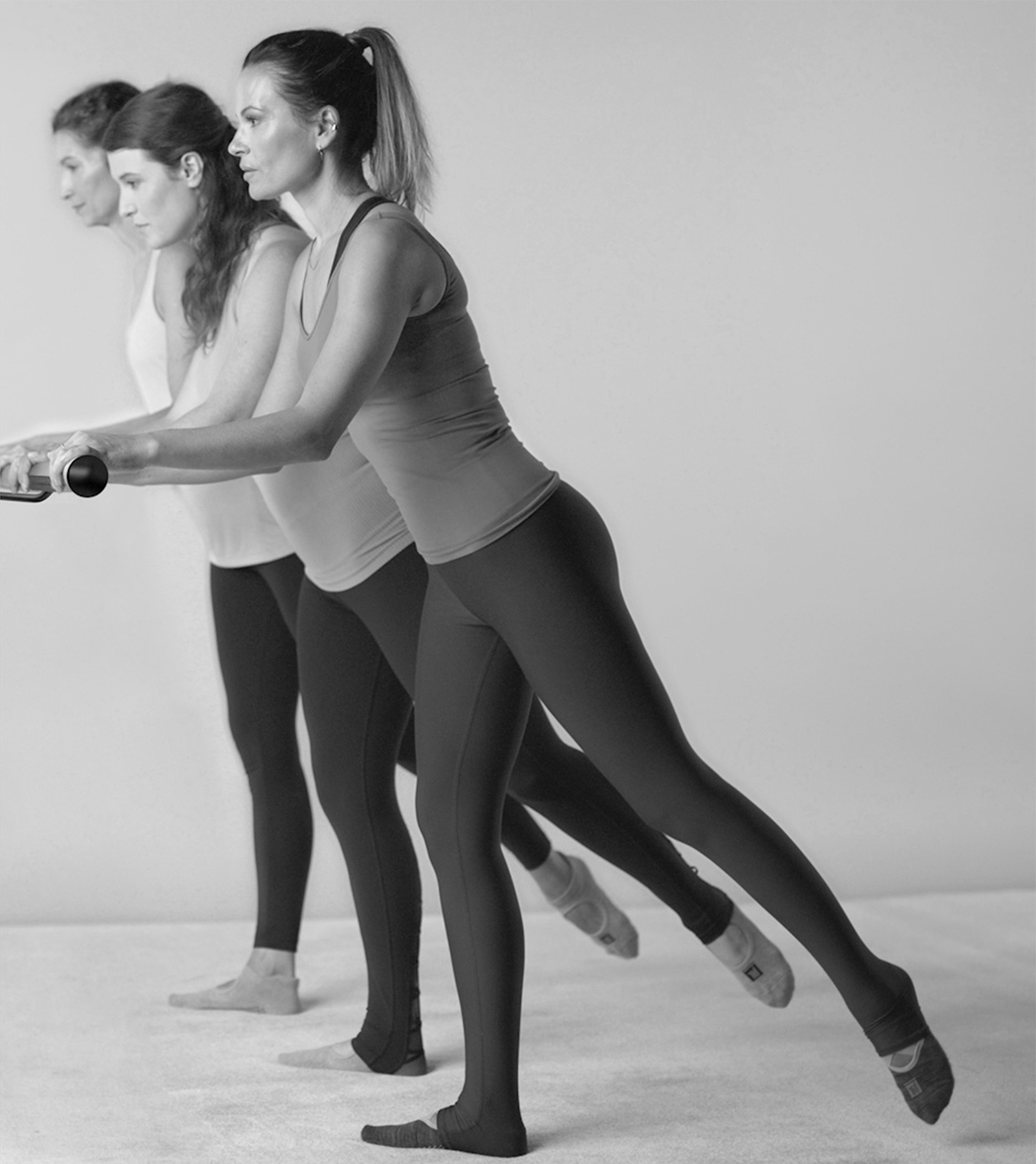
3. Diagonal seat
This move also strengthens the glutes and core.
How to:
- Face the barre and stand an arm’s length away.
- Place your feel either in a parallel stance (targets the gluteus maximus) or a turned-out stance (targets the gluteus medius), and soften your knees.
- Tip your torso forward to a 45-degree angle.
- Extend one leg back and tuck your seat.
- Lift your extended leg off of the floor to find resistance.
- Maintain a diagonal line from your head to working foot.
- Perform small lifts or stretches of your extended leg at varying tempos for one to three minutes, then change sides and repeat.
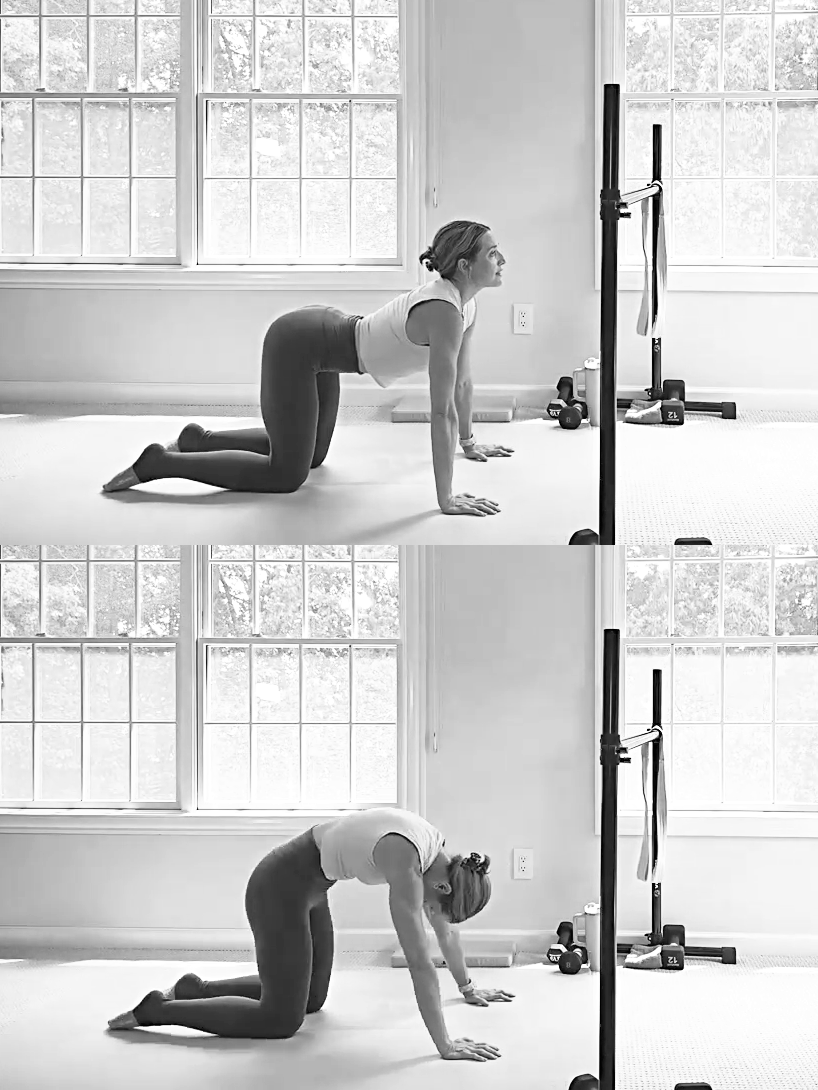
4. Cat-cow
Cat-cow increases flexibility in the spine, helping release tension in the back. It also promotes body awareness to prepare you for the positions of labor.
How to:
- Begin on all fours with your hands directly below your shoulders, knees below hips.
- On an inhale, move into cow pose: drop your belly and draw your shoulder blades together to open your chest. Lift your head to gaze forward.
- On an exhale, move into cat pose: push your hands into the ground to arch your back; relax your head toward the floor.
- Continue alternating between cat and cow for five rounds, 30 seconds at a time.
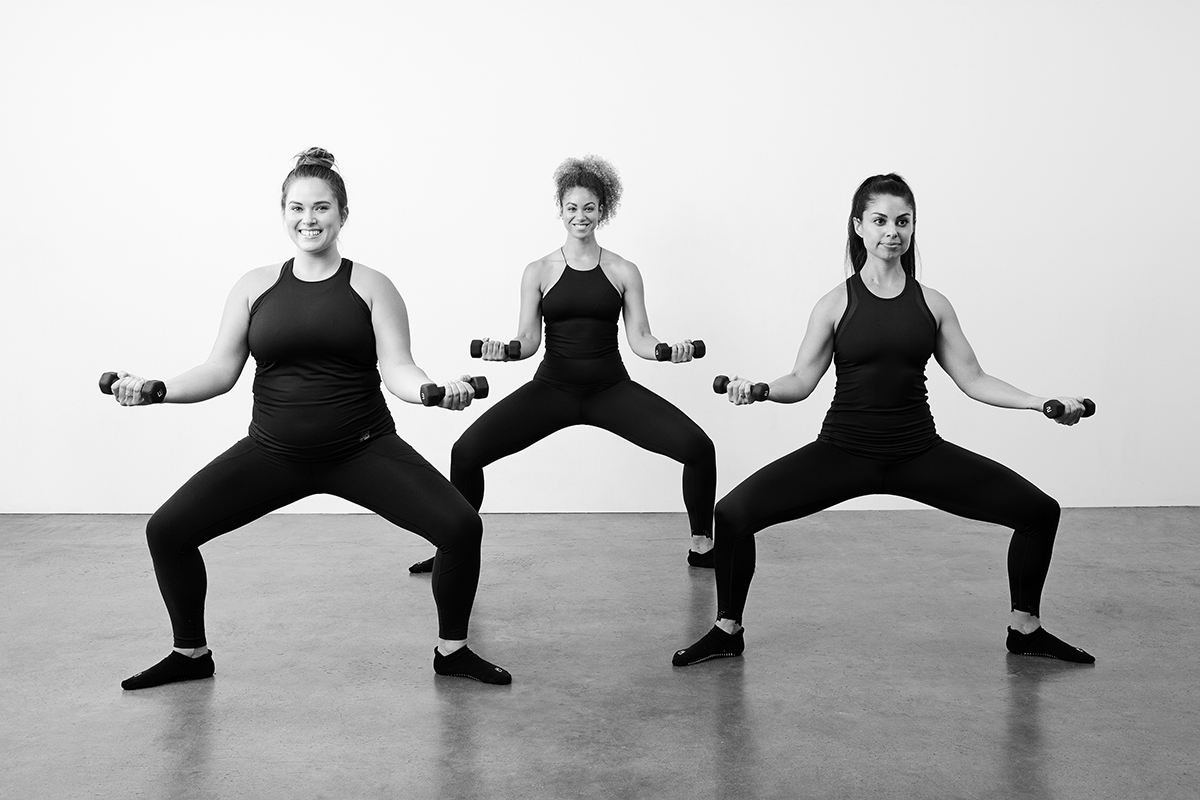
5. Second position thigh
Second position thigh strengthens the glutes, quadriceps, and pelvic floor muscles, which can support proper alignment as the body changes during pregnancy. These muscles also aid in pushing during childbirth.
How to:
- Walk your feet out to a wide stance and bend your knees to come down to a challenging depth. Be sure the insteps of your feet are directly below your knees. Hold on to your support as needed.
- Grip your glutes tightly and pull your shoulders down.
- Move down an inch and up an inch for about two minutes.
How to modify core exercises while pregnant
While barre exercises are gentle and effective, you’ll need to make certain modifications as your baby grows.
For example, you may experience more back pain beginning in the second trimester (weeks 13 to 28). If you feel back pain or pressure, ask your instructor about using the risers provided in the studio to support and stabilize your back during floor exercises. Typically, Bar Method instructors recommend using three to four of these riser mats behind your back and torso to keep your abdomen at a 45-degree angle or higher.
You may feel more off-balance and easily get out of breath during the third trimester (weeks 29 to 40). So, keep a chair or ballet barre close to maintain balance, and be sure to move at your own pace.
Related: Barre During Pregnancy: Why It’s a Safe and Effective Workout
Barre exercises to avoid during pregnancy
Some core exercises are a no-no once you reach week 20 of pregnancy. As your belly grows, the pressure on your abdominal wall increases, so certain movements can put excessive strain on an already stretched abdomen and worsen muscle separation. For example: twisting movements, exercises that require you to lie flat on your stomach or back, and floor exercises that involve lifting one or both legs off the ground. These include:
- Floor core
- Leg dancing
- Clam
- Arabesque
- Foldover
- Roundback and curl exercises without extra support
Ask your instructor for safe alternatives that offer similar benefits without the risk.
6 best core exercises in barre for postpartum recovery
As you shift from prenatal core exercises to postpartum recovery, focus on rebuilding core stability, pelvic floor strength, and functional movement — safely. The key is starting slowly and choosing exercises that rebuild strength gradually.
Here are six barre exercises to help you regain core strength and stability:
1. Modified forearm plank
This exercise relies on your deep ab muscles to draw your center in tight, helping rebuild abdominal strength and improve posture.
How to:
- Face the ground and place your forearms and palms on the floor with your elbows beneath your shoulders. Come to your knees and point your feet upward.
- Tighten your abdominal muscles; your head, neck, glutes, and legs should form a straight line.
- Keep your neck neutral by gazing down at the floor.
- Hold this position for up to 90 seconds and mark the counts with emphatic exhales to engage your abs.
2. Supported static curl
Performing a modified version of the static curl helps gently strengthen the transverse abdominis, diaphragm, obliques, and pelvic floor without adding too much strain.
How to:
- Lie on your back with your knees bent and feet hip-width apart on the floor. Place a throw pillow or mat under your midback to help you stay in position.
- Gently press your lower back into the floor/mat.
- Slide your hands up the backs of your thighs and hold on behind your knees. Keep your elbows softly bent and out to the side to engage your biceps.
- Engage your abdominals and hold this position. Focus on controlled breathwork at varying speeds for up to two minutes.
3. Back dancing
This floor exercise strengthens the glutes and lower back while gently re-engaging the pelvic floor muscles.
How to:
- Lie on your back.
- Bend your knees with your feet flat on the floor, hip-width apart.
- Press your ribcage down and lift the rest of your torso off the floor using your glutes. Lift and lower your glutes rhythmically up and down, tapping the floor each time.
- Continue for two to four minutes.
4. Tilted seat
This exercise also targets the glutes, lower back, and pelvic floor.
How to:
- Stand about an arm’s-length away from a support (e.g., a barre, the wall, or a countertop), with your feet hip-width apart.
- Hinge your torso forward and shift your weight onto the right leg.
- Slide your left leg back and out to the side at an angle; support your back leg on the ball of your left foot and keep your weight in your front heel.
- Check that your front knee is in line with your ankle and your shin is vertical.
- Bend your front knee to lower yourself an inch, and then lift up an inch.
- Continue performing reps for one minute before switching sides
5. Rhomboid pulls
Standing arm work (like rhomboid pulls) improves upper-body strength and posture — crucial for lifting and carrying the baby safely.
How to:
- Hold onto a pair of light dumbbells. Bend your arms back into 90-degree angles and lift your arms away from your torso until your elbows are 45 degrees lower than your shoulders.
- Pull your elbows behind the plane of your spine while keeping forearms parallel to the floor.
- Allow your weights to open slightly wider than your elbows, and angle your weights diagonally toward each other.
- Pull your elbows toward one another in a one-inch motion back.
- Continue for about 20 to 30 reps.
6. Elongated stretch series (kneeling thigh)
Final stretches like kneeling thigh reduce muscle tension, helping promote recovery and improve functional movement after childbirth.
How to:
- Kneel down in front of your support.
- Step one foot forward, bend your knee over your ankle, and slide your other leg farther behind you to feel a stretch in your hip.
- Raise one arm overhead, with an option to reach both arms up if you feel balanced.
- Bring your hands back to your support.
- Shift your hips back to align over your back knee.
- Extend your front leg to straight and flex your front foot.
- Let your upper body hang between your arms for a chest stretch.
- Repeat on the second side. If you feel you want a deeper stretch, you may opt to bring your hands to the floor and bend your elbows.
Support your core health and baby with barre
Barre offers a safe, effective way to strengthen your core muscles during and after pregnancy — and it’s so much more than just a workout. The gentle, low-impact core exercises combine breath control, posture, and muscle activation to support your changing body while helping you feel strong and confident through every stage of this journey.
The best part? Barre is designed for every fitness level and ability, which means you can make it work for you right where you are. Just be sure to check in with your healthcare provider before starting or continuing your routine during pregnancy and postpartum. Once you get the green light, trust your body, move at your own pace, and don’t hesitate to ask your Bar Method instructor for modifications whenever you need them. They’re here to support you every step of the way.
Experience the benefits of prenatal core exercises firsthand. Find a Bar Method studio near you to get started.