New clients! For a limited time, Get 13 Classes for $78 (only $6 per class)

The Method
Active Recovery: Why Your Routine Is Incomplete Without Barre
August 12, 2026

If you exercise regularly, you’re probably familiar with the benefits of physical activity: improved metabolism and weight control, more energy, a stronger sense of self-confidence, and improved mental health (to name a few).
Sometimes, rest and active recovery can be just as powerful as the workout itself. We’re here to talk about how and explain why barre deserves a spot in your active recovery routine (especially if you’ve got a tight schedule). We’ll cover:
- The importance of recovery
- Active recovery vs. passive recovery
- How barre combines strength and recovery in one workout
- How to incorporate barre into your recovery routine
Why recovery is key for strength gains
Even if you’re an experienced strength trainer or barre enthusiast, skipping recovery can be tempting. We get it! But we’re here to remind you: Recovery is an essential piece of any strength-building routine. Muscles need time to repair and adapt after repeated use. Without adequate recovery, fatigue can accumulate and hinder performance, increase the risk of overuse injuries, or slow down strength and endurance gains.
Not to mention: Taking rest days is key to avoiding burnout and supporting your mental health — plus, a 2022 study showed that the positive effects of resistance training may diminish at higher volumes. In short, taking rest days is essential to long-term mental well-being and longevity, helping you maintain a vibrant lifestyle and do the things you love for longer. (For best results, we recommend one to three rest days per week!)
Active recovery vs. passive recovery
The type of recovery you’re doing is just as important as the frequency. Each type of recovery — active and passive — and has its own benefits. Here’s how they compare:
Passive recovery requires no movement and is typically done when healing from serious pain or injury. Examples include sleep, passive stretching, and heat/cold therapy.
The goal of active recovery is moving just enough to increase blood circulation and break up lactic acid to promote muscle recovery. Examples of active recovery include yoga, walking, light jogging, and — you guessed it — barre.
Does active recovery clear lactic acid faster?
Lactic acid is a natural byproduct of carbohydrates being broken down into energy — this process occurs when you’re doing any form of aerobic activity, from barre to tough yardwork. Contrary to popular belief, lactic acid does not cause muscle soreness, but it does act as a signal for your body to start repairing muscle after a workout. In rare cases, excess lactic acid can cause lactic acidosis, which leads to severe fatigue and muscle weakness.
Your body naturally clears lactic acid, but active recovery helps speed up the process. Gentle movement keeps blood flowing, bringing oxygen to muscles and removing metabolic byproducts more efficiently than complete rest. For example: In our Method, low-impact, controlled movements gently engage muscles while promoting circulation, reducing soreness, and supporting faster recovery.
Related: Does Lactic Acid Burn Fat? Let’s Set the Record Straight
Barre promotes strength and recovery in one workout
Wait, isn’t barre a strength workout? Yes — and every movement is carefully planned and counterstretches balance out each exercise. This means the benefits of every class are twofold: increased strength and a kickstart on recovery.
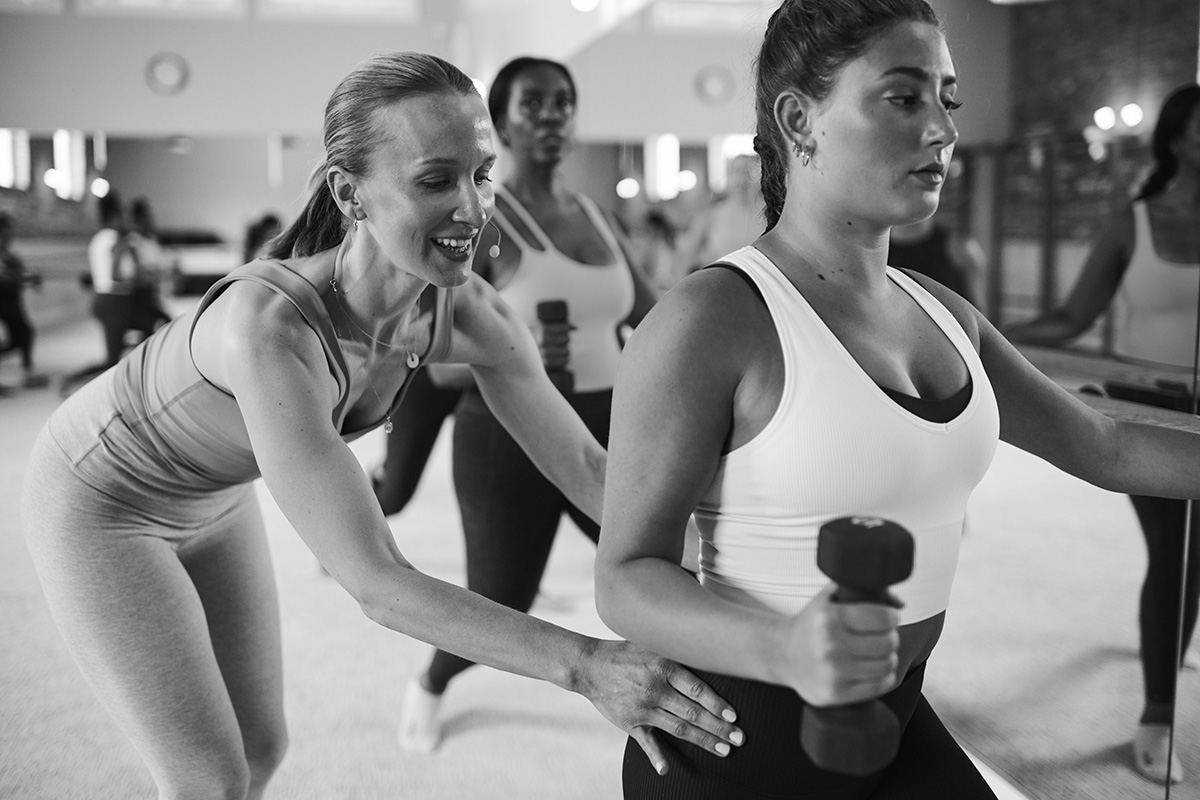
Barre promotes strength and endurance through isometric holds and a low-weight, high-rep format that pushes your muscles to the limit (so much that you might actually start to shake!). The results: leaner body composition, better posture, and undeniable confidence.
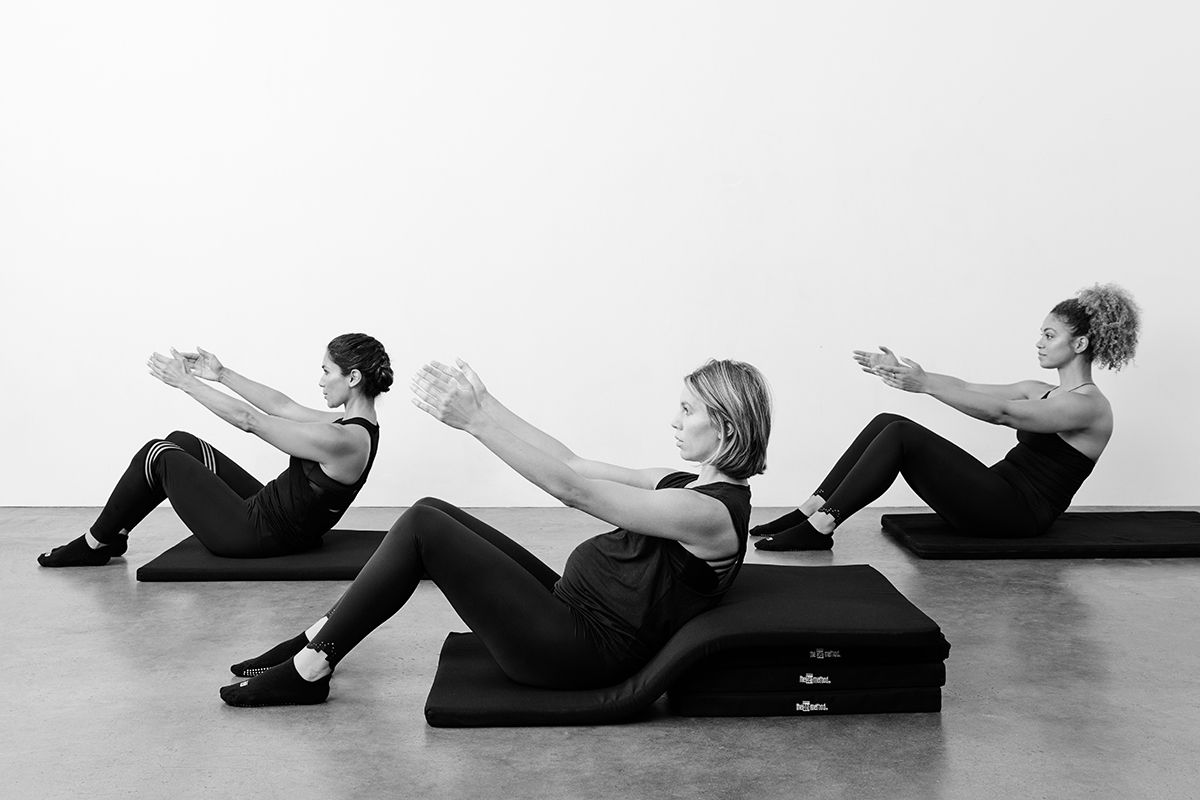
At the same time, barre balances its challenging strength work with movement that promotes recovery. Think: gentle stretches, yoga-inspired poses, and mindfulness practices. Because of this combination, you’ll walk out of the studio feeling physically challenged, energized, and mentally refreshed after every workout. (No need to tack on an extra 15 minutes of recovery and stretching like other workouts — it’s all programmed for you!)
Plus, our Method features several signature formats based on your goals, from high-intensity Bar Method Cardio to recovery-focused classes like Bar Restore. This variety gives you the flexibility to make your barre practice your own, whether barre is your primary strength workout or your preferred active recovery method.
Try these active recovery methods after barre workouts
Although our barre classes are designed with built-in recovery through low-impact, small-range movements, making time for recovery between sessions is still important. If your goal is to build strength through barre, integrating occasional rest days or active recovery sessions helps muscles rebuild, maintains tone, and supports long-term performance.
Try one of these activities during your next recovery period:
- Stretching and mobility work to release tension and encourage proper alignment
- Using a foam roller or doing massage to relieve tight muscles
- Walking to promote blood circulation and recovery
Barre formats for active recovery
What if you use barre as an active recovery method in your fitness routine? While restorative movement is baked into every Bar Method class, there are a few formats that we recommend for effective active recovery.
Refresh your muscles with Bar Restore
Bar Restore combines the best of both worlds — half strength-building Bar Method exercises, half mindful and restorative stretching to reinvigorate tired and sore muscles.
This format also incorporates Bar Method recovery balls, which are a form of self-myofascial release (SMR), a popular recovery technique. Designed to release muscle tension and support recovery, recovery balls help realign muscle fibers while relieving sensitive areas and common trigger points. This process promotes the release of lactic acid and other toxins (it’s like your own personal massage tool!).
Related: Is Barre Strength Training? Yes! (And So Much More)
Energize your body with Bar Flow
Bar Flow doesn’t require weights, but make no mistake: this class can get intense. Full of Vinyasa yoga-inspired movements, Bar Flow is suited for days when you’re craving a break from dumbbells but still want to get your heart pumping and muscles moving.
Sample barre routine for strength and active recovery
For consistent strength-building and a healthy dose of recovery and rest, we recommend starting with three to five barre classes per week, with one to three recovery days mixed in. It may take time to find what works for your schedule, body, and goals — be patient as you build your ideal routine! Here’s are two sample schedules (beginner and advanced) to get you started:
Beginner:
- Day 1: Bar Method
- Day 2: Bar Flow
- Day 3: Rest
- Day 4: Bar Strength
- Day 5: Rest
- Day 6: Bar Method
- Day 7: Rest
Advanced:
- Day 1: Bar Method
- Day 2: Bar Flow
- Day 3: Rest
- Day 4: Bar Strength
- Day 5: Bar Restore
- Day 6: Bar Method
- Day 7: Rest
How to support your body beyond active recovery and rest days
Active recovery is just one way to support muscle repair, recovery, and energy levels — the most effective routines also account for these factors:
- Nutrition: Food gives your body the energy it needs to repair muscles (and prepare for your next workout).
- Hydration: Hydration is essential to nearly every body function — keep that water bottle close!
- Sleep: Getting seven to nine hours of sleep per night is key to optimizing physical performance.
- Variety: Changing up your workouts — for example, doing various Bar Method class types — continuously challenges your muscles and helps prevent injury and imbalance.
Barre makes for an efficient active recovery routine
Active recovery doesn’t just support muscle repair to power your workout routine; it refreshes your body and mind to prepare you for whatever comes next — whether that’s another strength-building class or a busy day at work. Adding barre to your routine is an efficient way to build strength and kickstart recovery all in one carefully programmed workout, saving you time and supporting a healthy, active lifestyle.
More training and recovery tips for you
- Is Barre Strength Training? Yes! (And So Much More)
- The Essentials of Muscle Healing
- Not Seeing Results? How Fitness and Nutrition Support Your Wellness Goals
Experience the power of a workout that seamlessly blends strength and recovery. Find a Bar Method studio near you to get started.